

Photography in 2026: What’s in store?
Every year there’s plenty of talk about new cameras, smarter software and, more recently, the rise and rise of AI-driven image making, whether in or out of the camera. It’s easy to lose focus on the art of photography with all this chatter about about technology, hardware and software.
But despite leap-frogging technological advances, the heart photography is still about taking and making images that mean something. Photography as a medium of expression and story-telling will continue to evolve in more subtle and interesting ways. As we head into 2026, the most meaningful shifts are not about gear at all; they are about how photographers see, feel and tell stories.
Here are six photographic movements and ideas worth exploring in 2026:
Narrative-driven image-making
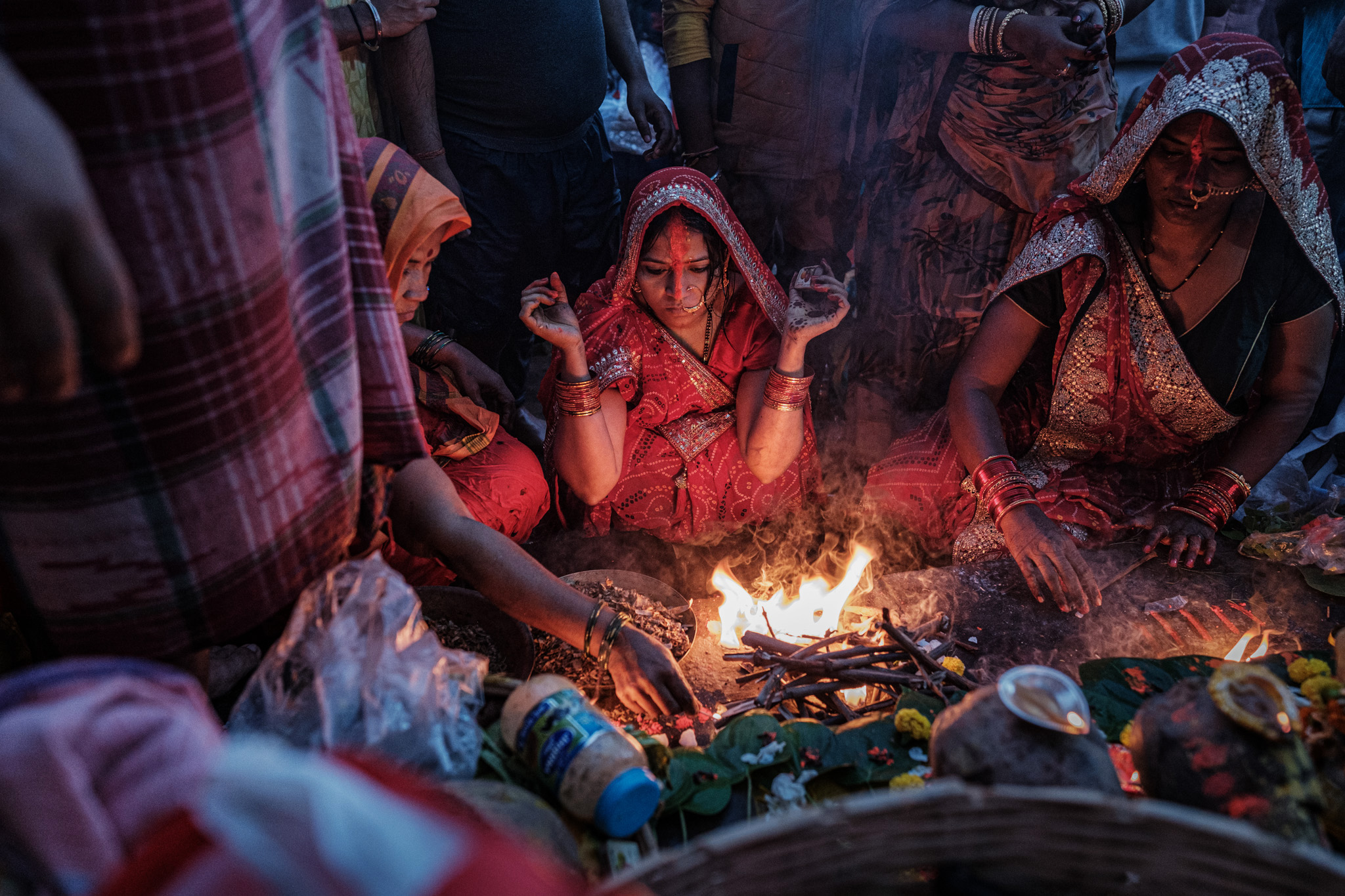
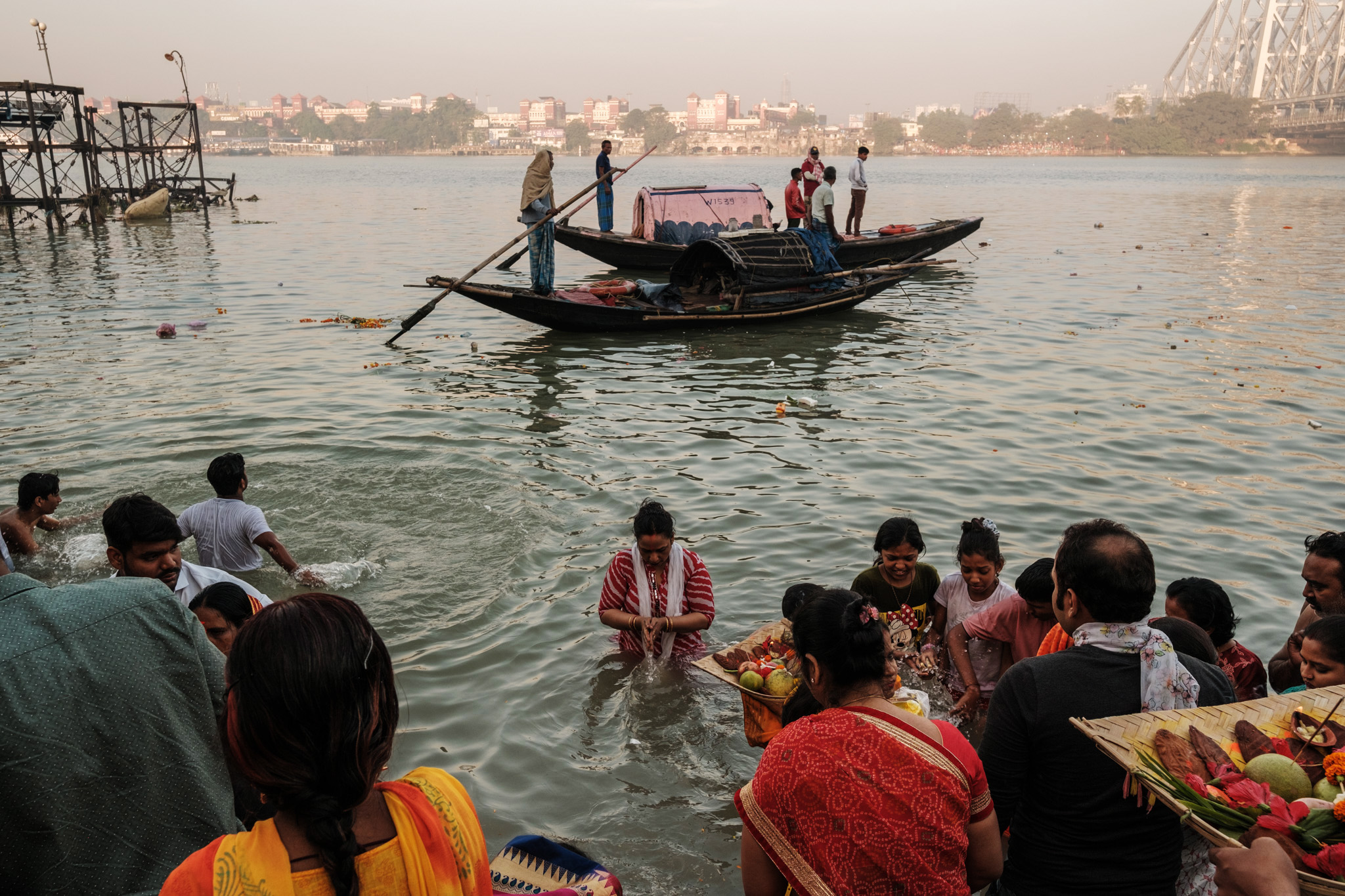
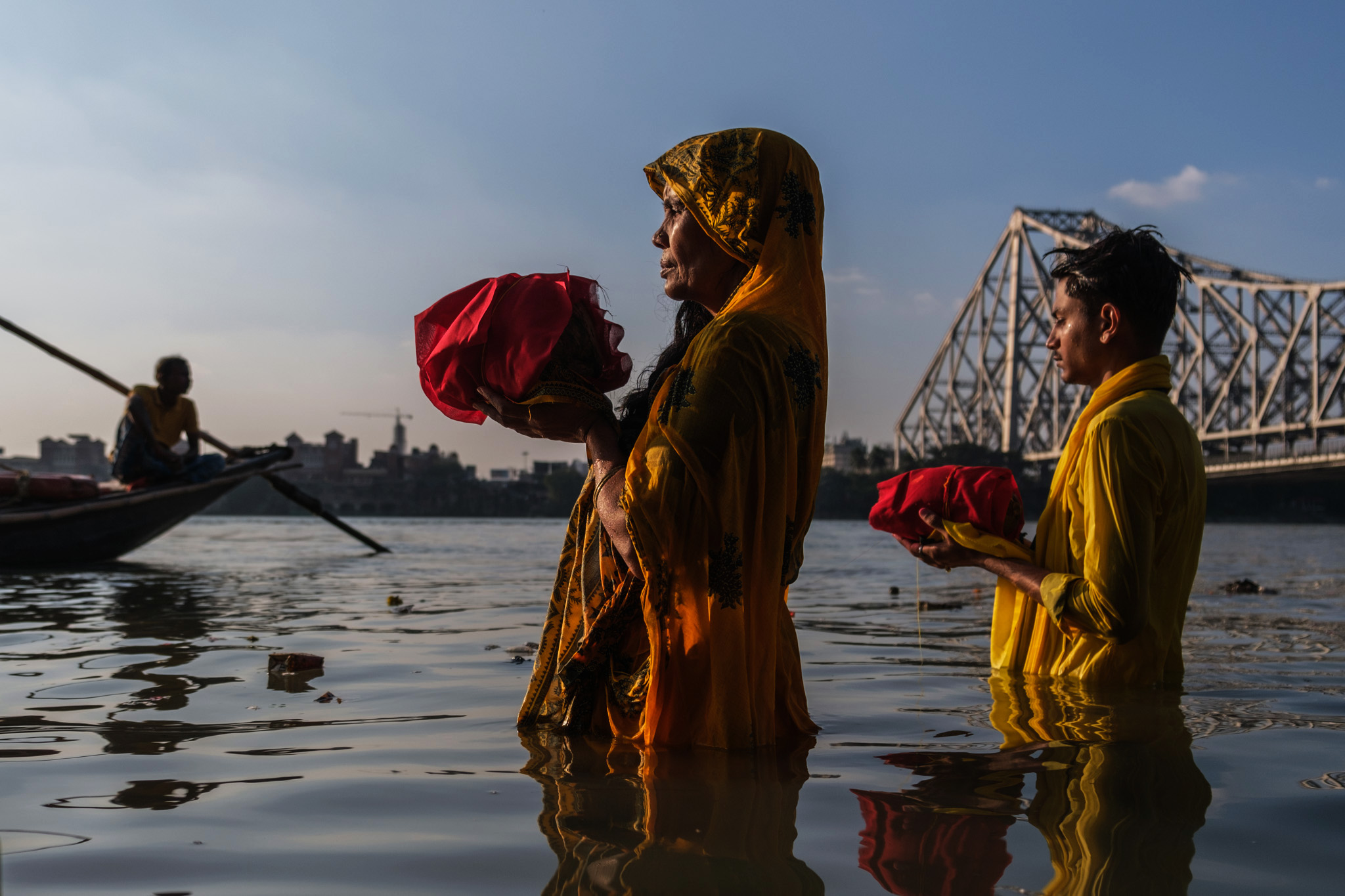
Single images still matter, but more and more, photographers are thinking in sequences, thanks to the influence of editorial and journalistic photography. Narrative documentary work focuses on visual storytelling across a body of images rather than chasing the one perfect frame. These projects unfold slowly, revealing people, places or ideas over time. For photographers, this approach suits long-term personal projects, regional stories and community-based work. It rewards patience, consistency and the ability to think like a writer as much as a shooter.
The rise of minimalism
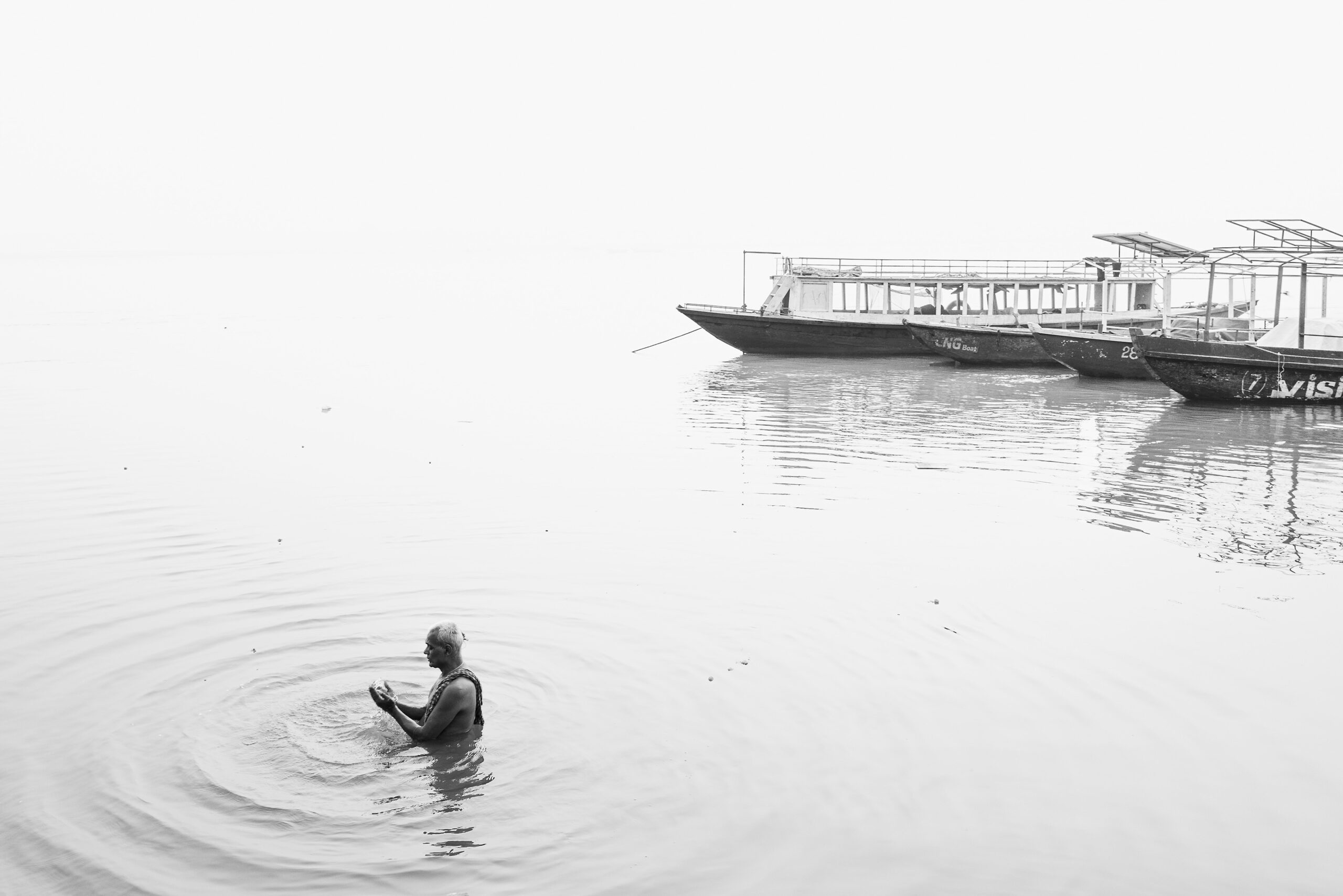
Minimalism has always been a popular concept among photographers who work hard to design their framing and composition. In many respects, the adoption of minimalism as a compositional discipline seems to be taking flight. With visual overload everywhere, photographers are stripping images back to their key essentials: subject and space; with fewer elements, stronger lines, and more negative space. The aim is clarity and emotional focus rather than trying to fit everything in This style demands confidence and restraint, two skills that often come only with experience as a photographer.
Emotional portraiture
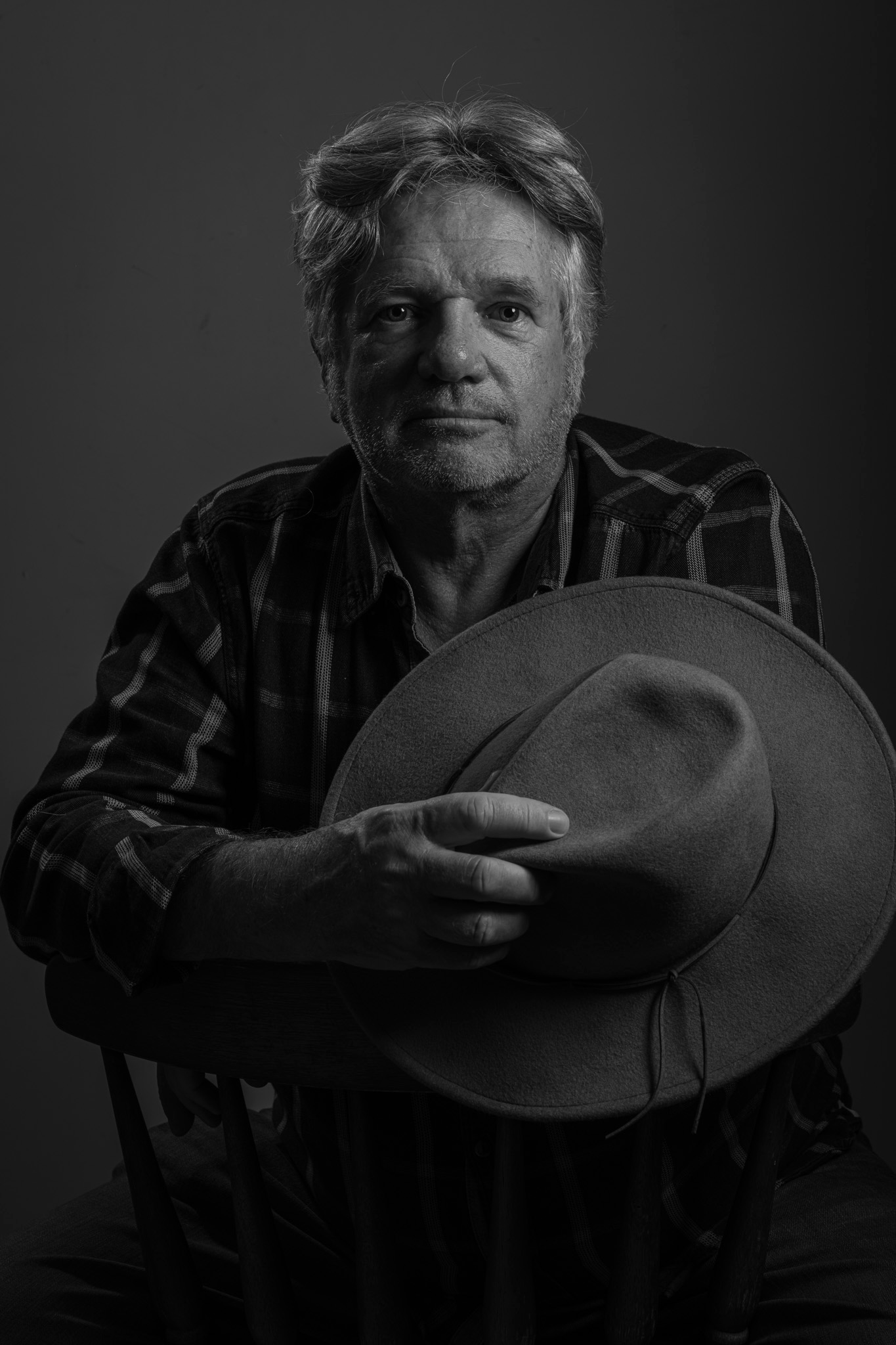
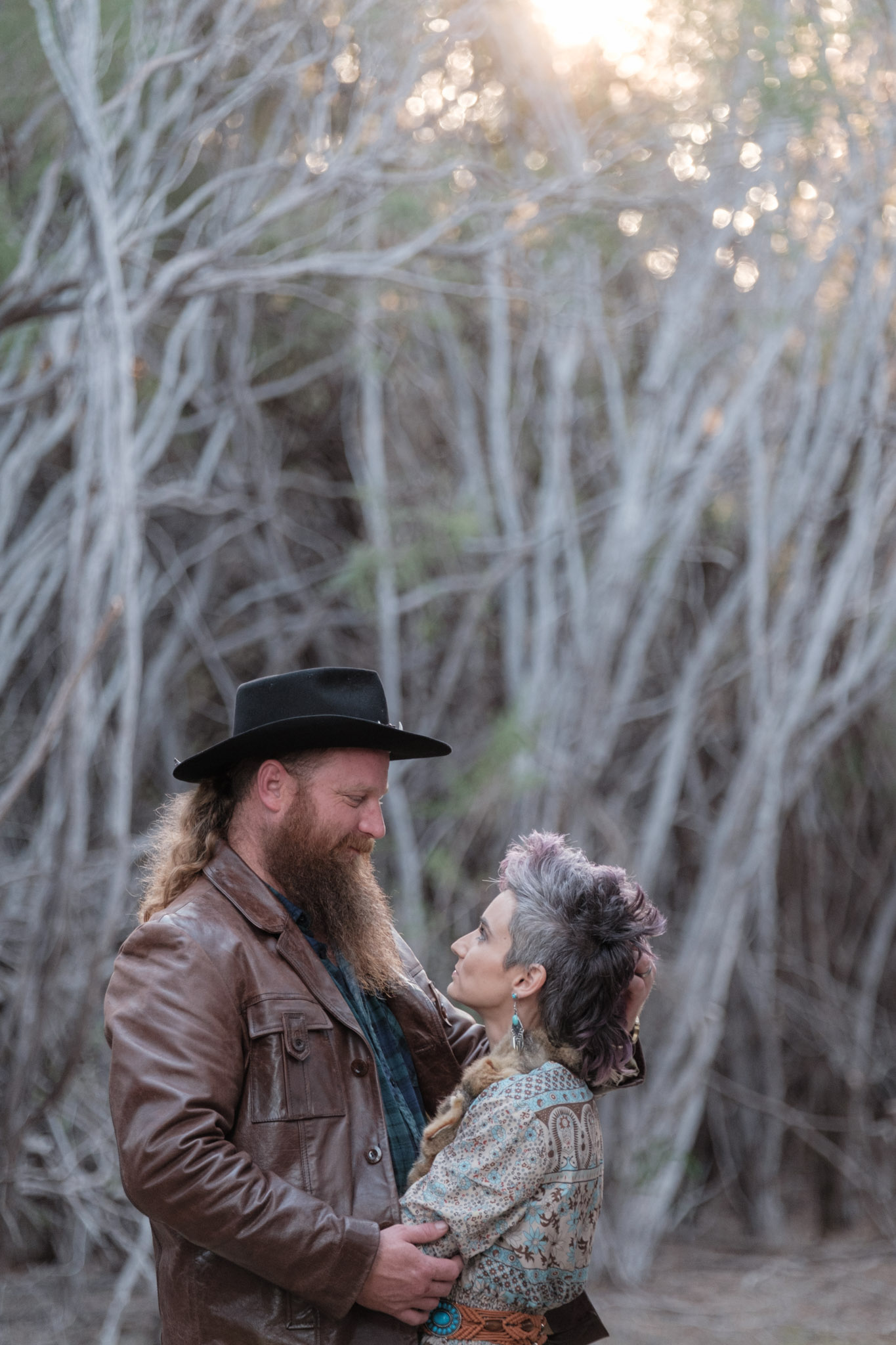
A good portrait has always been more than just polish and performance, and the recognition of and emphasis on emotional presence and psychological depth in portraiture has started to take root. Beyond just a beautiful face in beautiful light, portrait subjects are photographed as they are, not as they are meant to appear. Subtle expressions, quiet moments and honest emotions are replacing big smiles and heavy styling. This trend particularly resonates in Australia’s editorial and fine art scenes, where authenticity often matters more than glamour.
Quiet geographies
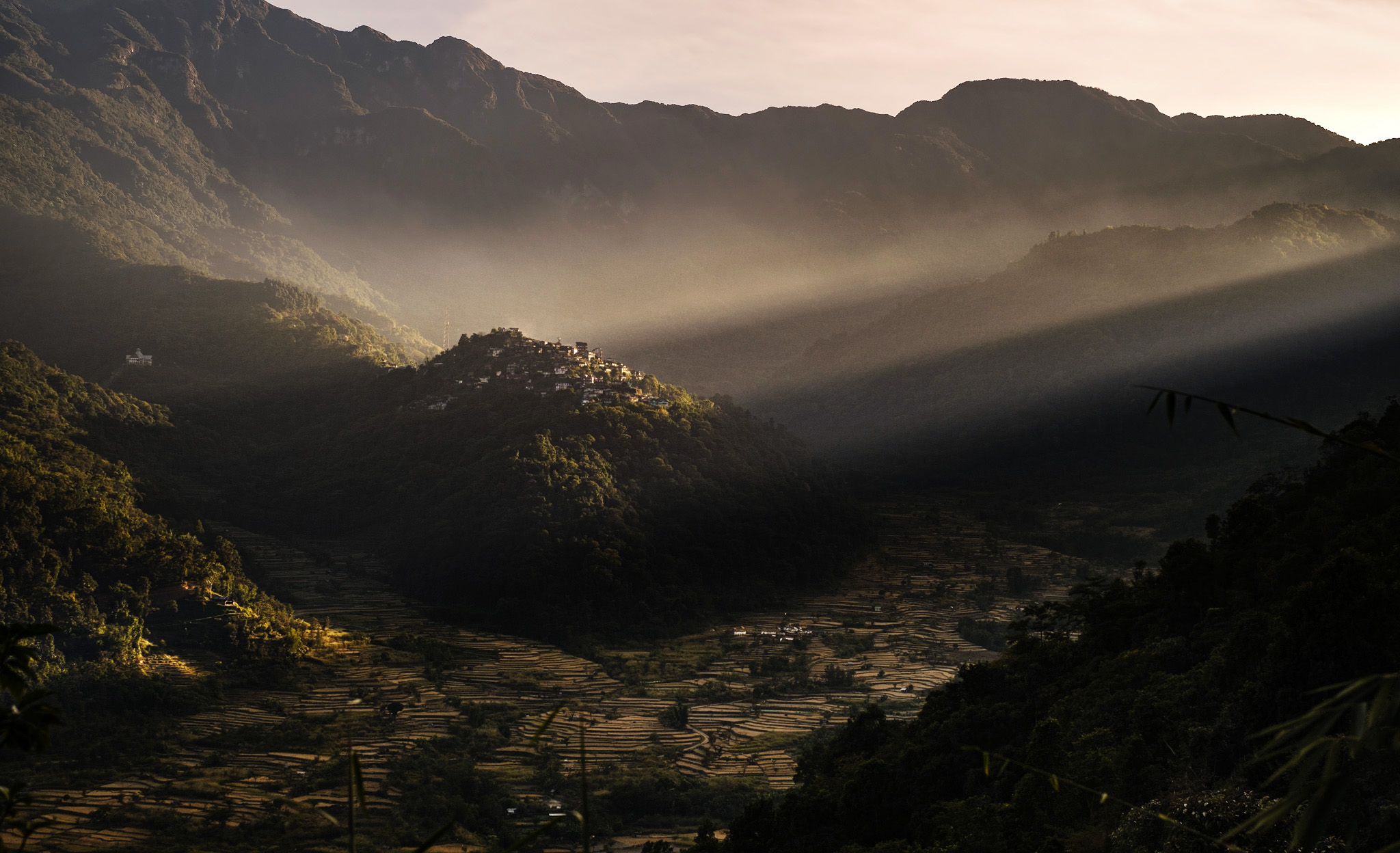
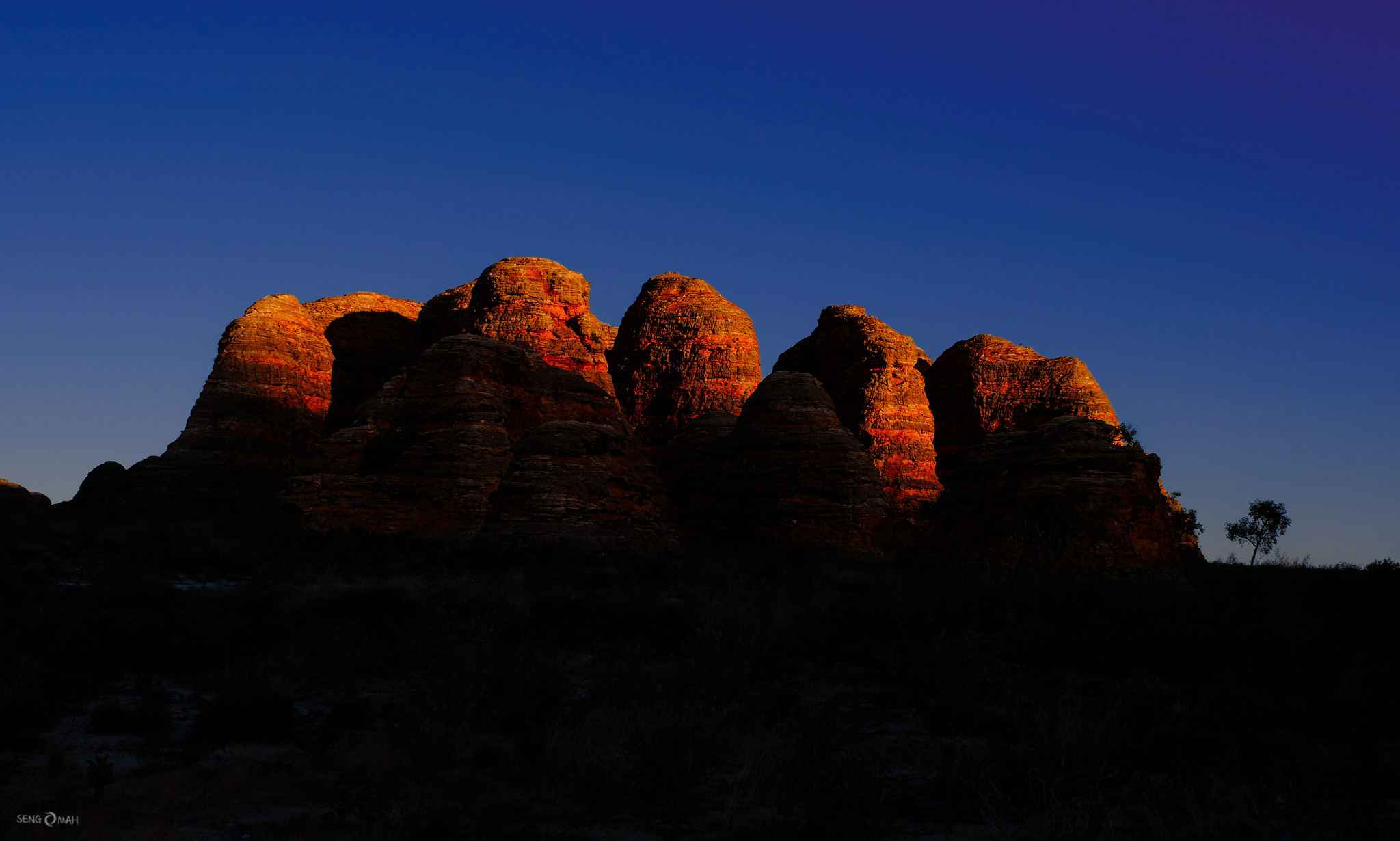
While the epic wide-angle landscape still garners thumbs-up and love-heart emojis on social media, there’s a subtle but growing movement in landscape photography where the focus shifts from grand vistas or postcard views, to an exploration of mood, atmosphere and stillness. Desolate, dramatic natural or urban spaces, burdened with emotion and ambience, have caught the eye of photographers. For many photographers, this approach reflects a desire to slow down and respond to place rather than to transform it into some flashy, idealised version of itself.
Hybridising
Many photographers are drawing inspiration from painting, cinema, poetry and literature in their approach to the medium. Composition borrowed from classical art, colour palettes influenced by film, or images that feel like fragments of a larger story are rising to the fore. Photographers become a translation of ideas rather than a straightforward record, with emphasis on ambiguity and visual nuance, instead of pin-point sharpness and perfect lighting.
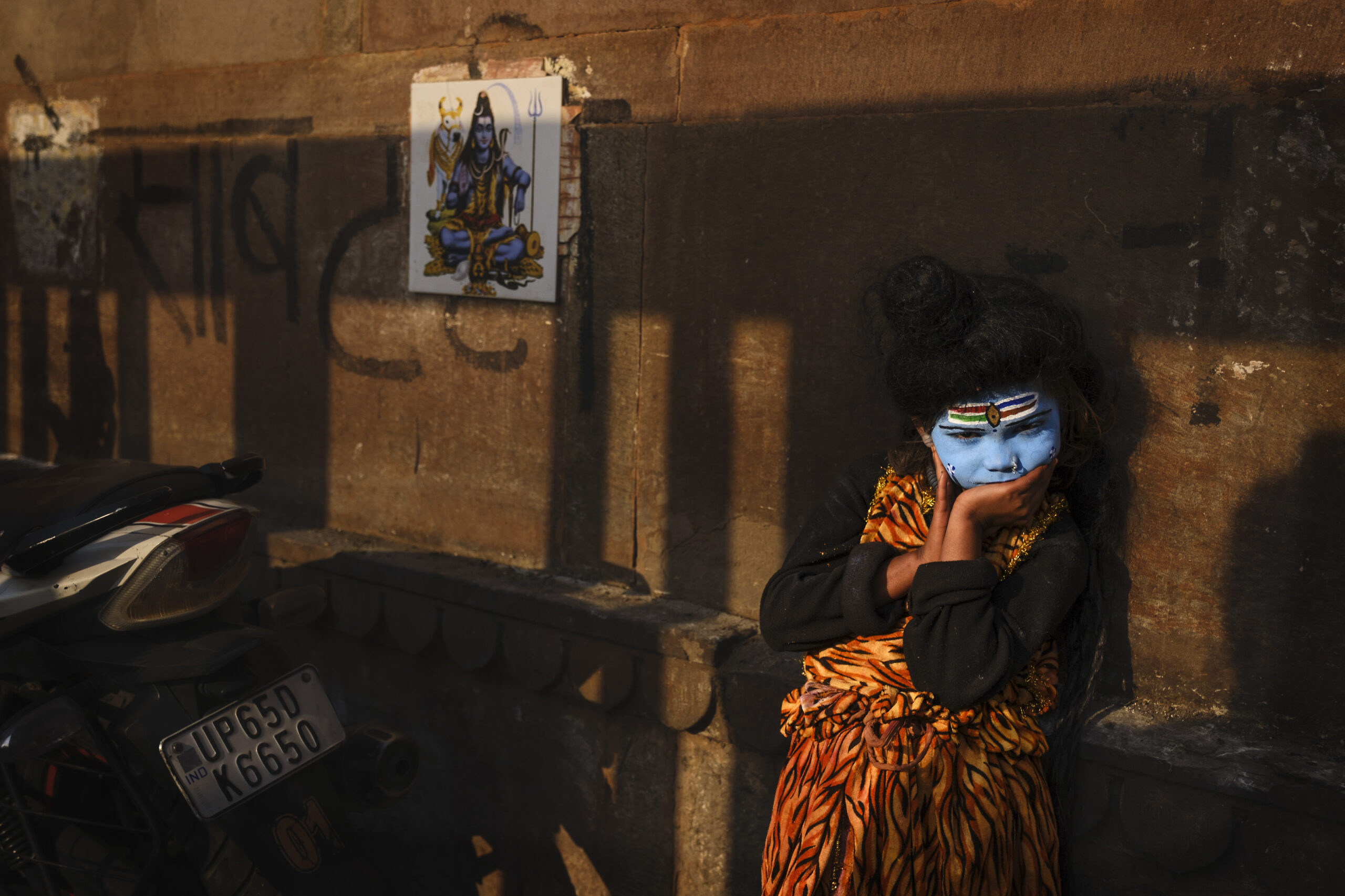
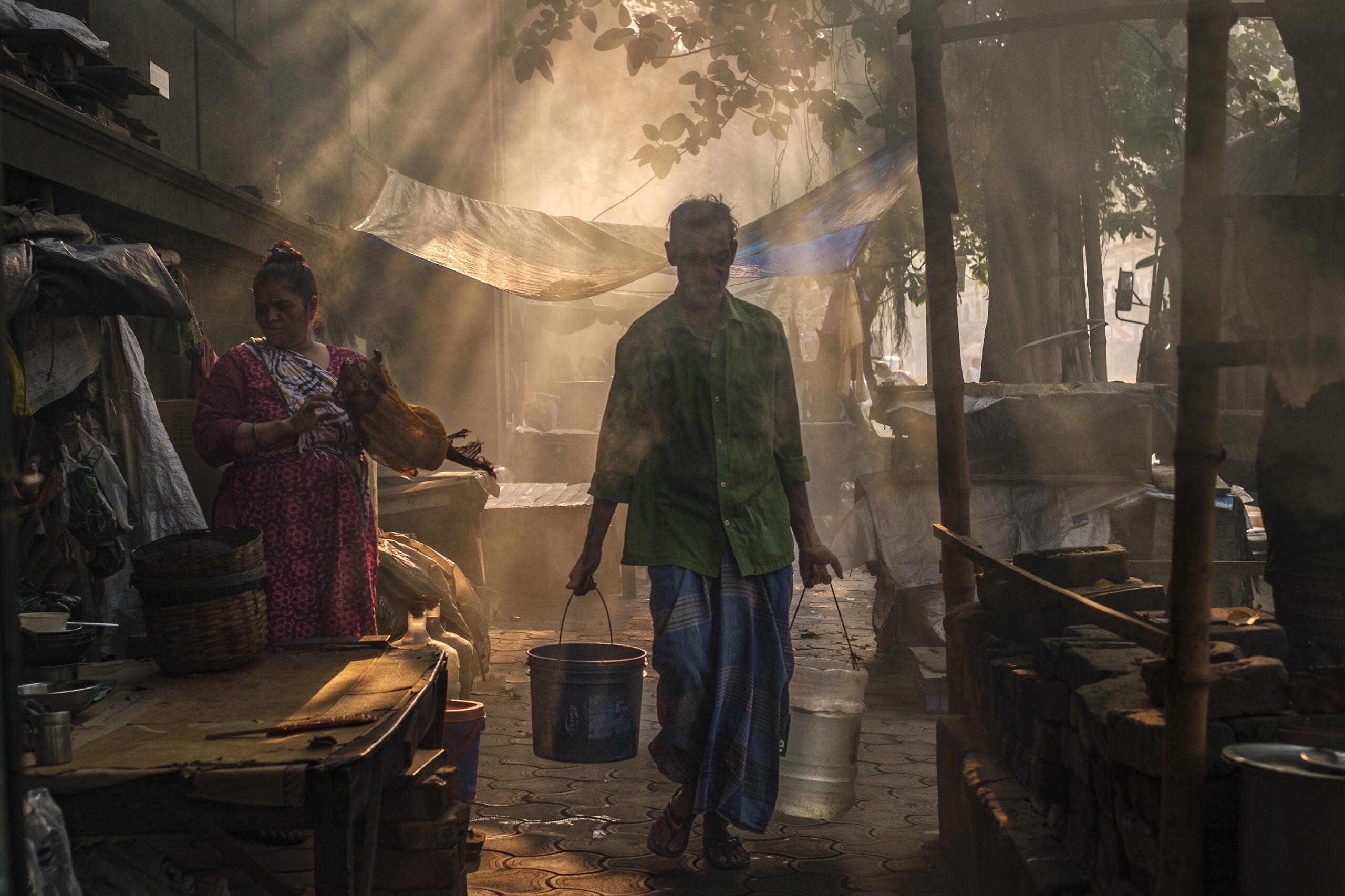
Visual dialogues
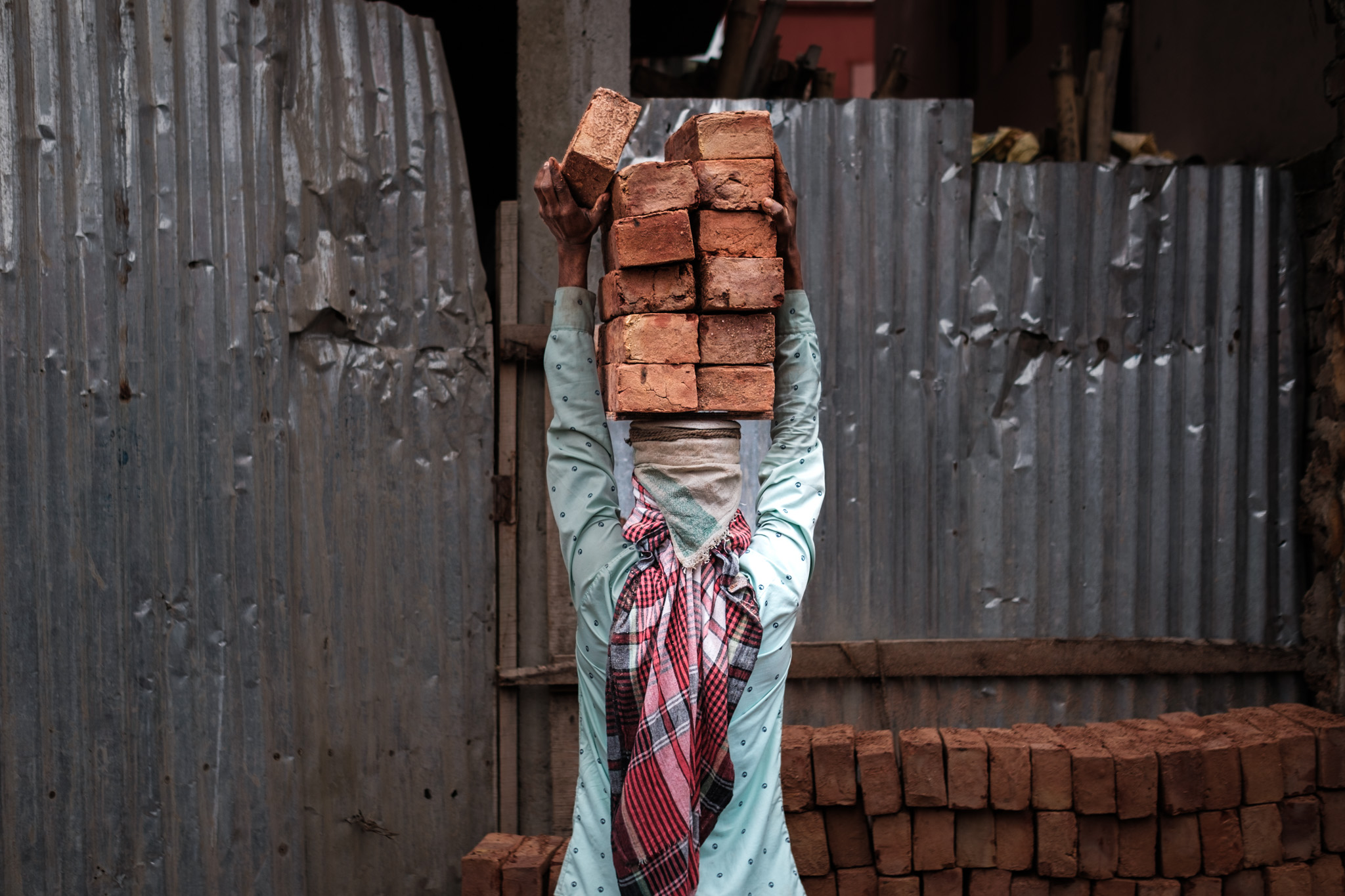
Photography is more and more being used as a form of prompting conversation rather than observation, with a paradigmatic shift from recording to creating. There’s a growing number of photographers whose take on the medium become personal and social: they embark on projects exploring identity, migration, heritage and belonging, particularly when they work from within their own communities or collaborate closely with their subjects. The strongest works invite viewers into lived experience.
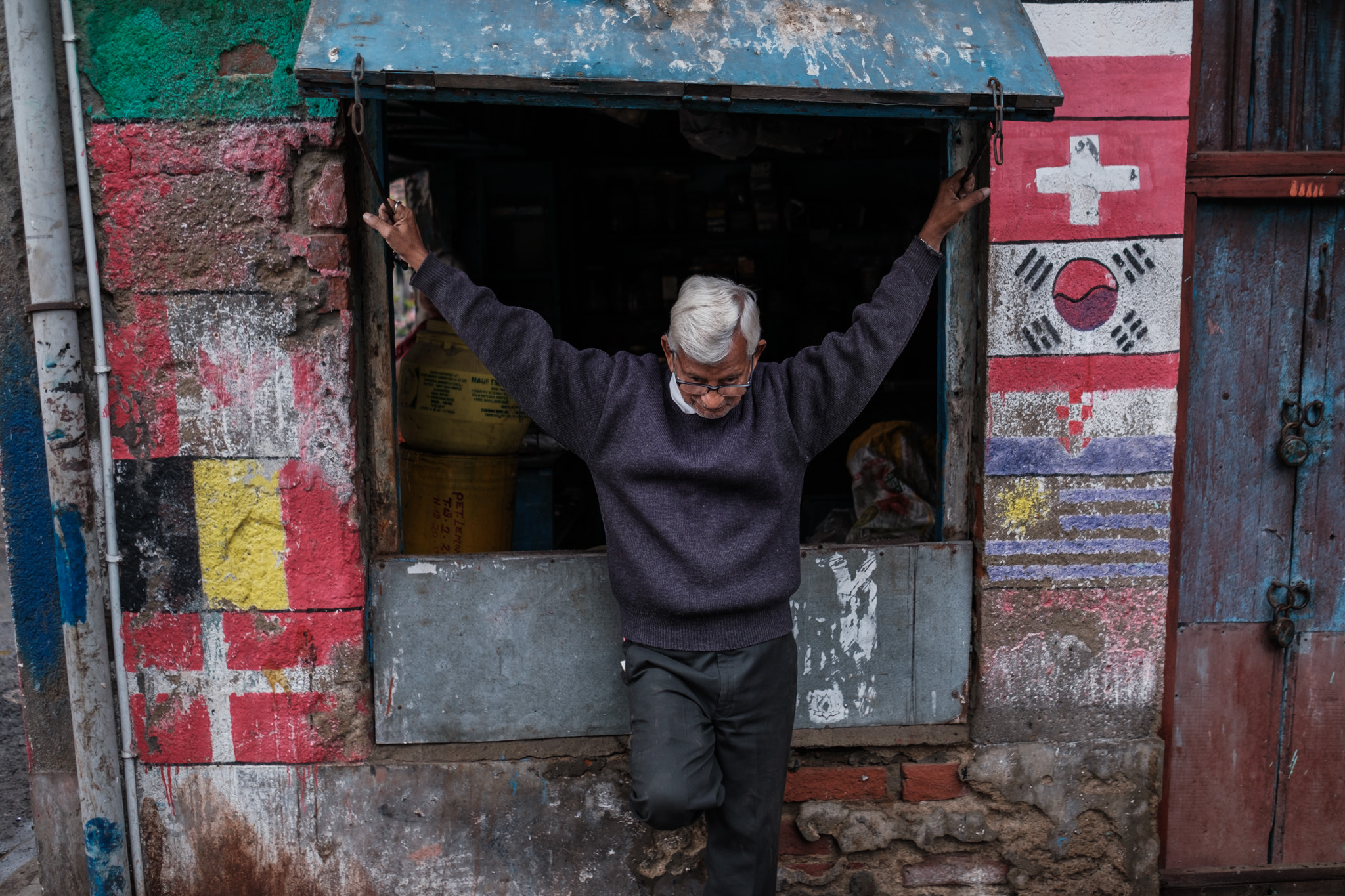
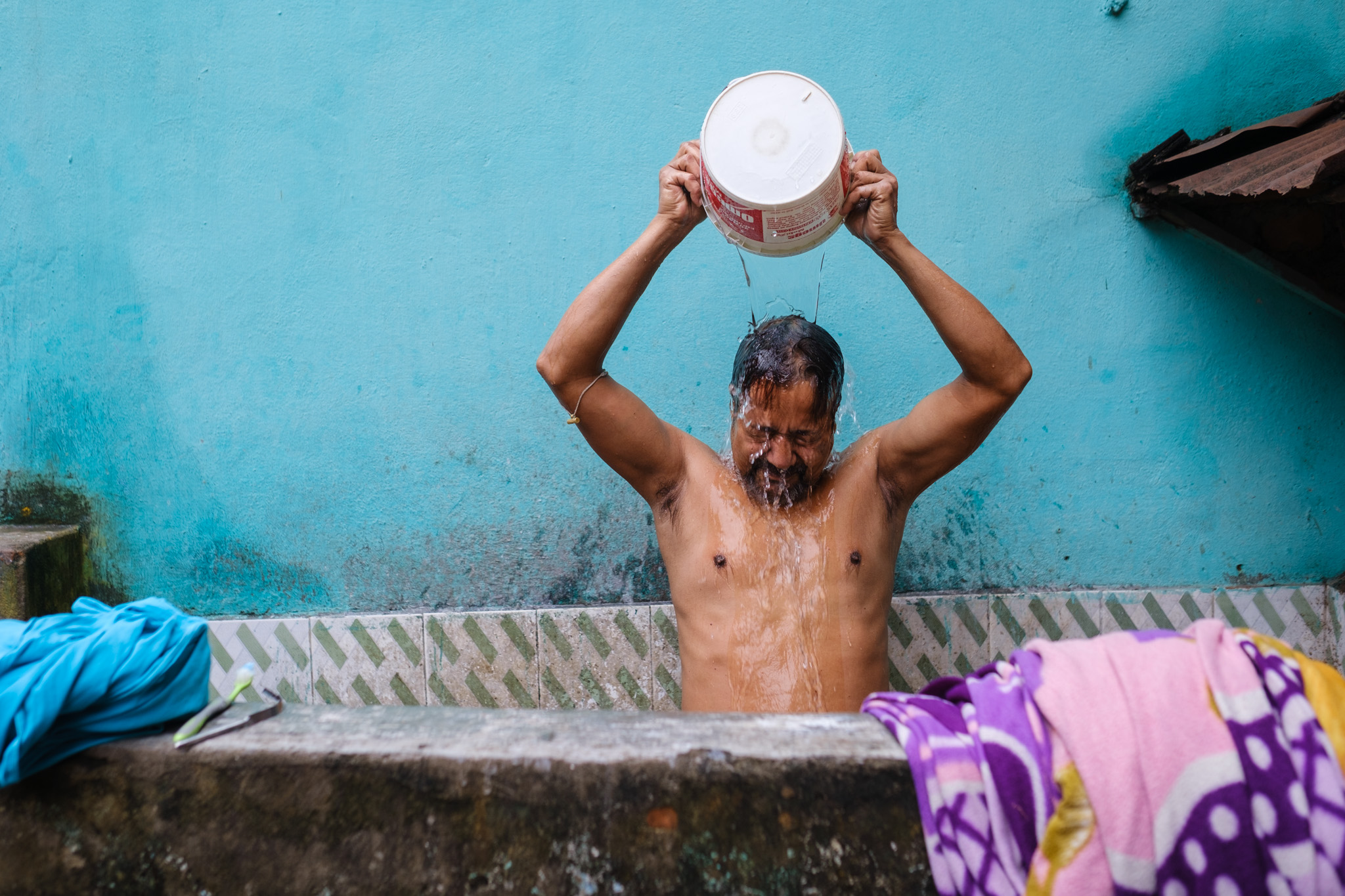
What this means for you
Sure, you can go chasing the next best sensor, the advances in auto-focus detection, and the camera system with the best computational photographic algorithms and output. But what does this mean for your own photography?
Powerful images have been created since the daguerreotype, and manual focusing hasn’t stopped the likes of Robert Doisneu, W. Eugene Smith, Diane Arbus and Josef Koudelka from nailing incredibly emotive and powerful images. Why does Dorothea Lange’s “Migrant Mother” resonate with a generation of Americans? How does Peter Dombrovskis’s “Morning Mist, Rock Island Bend” (taken with a 5×4 large format field camera) empower a social and political movement dedicated to conservation?
How about we make photography in 2026 less about the gear, and more about content, meaning, communication and feeling? When you think about it, this is what made many of us fall in love with the medium of photography: its ability to give us creative voice and expression, gift us with the power to see and understand.
No Comments