
Picture Styles: The Hidden Creative Tool in your Camera
Are you leveraging the power of in-camera picture styles?
You may have come across them while scrolling through your camera’s menu items. Modern digital cameras come loaded with a range of built-in picture styles — Canon’s Picture Styles, Nikon’s Picture Controls, Sony’s Creative Styles, OM System’s Picture Modes and Art Filters, and Fujifilm’s now-famous Film Simulations.
Although these look like simple JPEG presets at first glance, they can offer more than just a one-look wonder. Picture styles shape colour response, contrast, sharpening, tone curves, and even grain, effectively functioning as digital “film stocks.” Understanding how to use them creatively can change the way you take photographs!
What Picture Styles Offer
Despite different branding, most manufacturers offer a familiar core set of looks:Canon and Nikon include categories such as Standard, Neutral, Portrait, Landscape, Faithful, Vivid, Monochrome, and occasionally Flat for grading.Sony’s Creative Styles offer similar variations, and OM System blends traditional colour modes with playful Art Filters.Fujifilm stands apart with its deeply characterised Film Simulations: Provia, Velvia, Astia, Classic Chrome, Classic Negative, Eterna, and Acros, each designed with a specific aesthetic narrative.
Many systems also allow customisation—letting you adjust sharpening, saturation, contrast, highlight tone, shadow tone, and colour bias. You can tweak an existing profile for subtle shifts or build something completely personalised.
For photographs who need to work quickly or shoot events, this enables a unique but consistent look straight out of the camera. For artists and project-based shooters, it enables the development of signature colour palettes.
Why use picture styles?
Picture styles can be practical, creative, or both.
On a practical level, they allow a photographer to pre-visualise a scene with a particular look. Because mirrorless EVFs and LCD previews display the chosen style, you compose with your final aesthetic in mind. This can influence exposure decisions, colour relationships, and the emotional tone of the frame. For example, shooting in a high-contrast mode may encourage you to lean into silhouettes, while a soft portrait style might push you toward more gentle lighting and expressions.
They also provide consistency in JPEG workflows. Photographers shooting press, events, or social assignments often need attractive images delivered immediately; picture styles can reduce editing time significantly.
But even RAW shooters can benefit from leveraging picture styles. Although RAW data isn’t altered by picture styles, the embedded preview uses the chosen look, and many RAW processors offer camera-matching profiles that approximate the in-camera rendering. Lightroom, for instance, allows you to apply these automatically on import. This helps maintain your creative intent throughout the workflow: what you saw in-camera is what your software begins with.

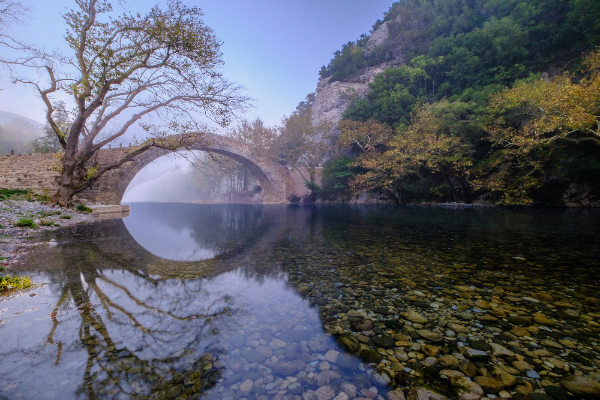
Two different picture styles of the same scene: Eterna (left) and Velvia (right) which are Fujifilm Film Simulations. Note the way the colour and contrast changes the way we “see” and “feel” the scene.
Why use picture styles?
Picture styles can be practical, creative, or both.
On a practical level, they allow a photographer to pre-visualise a scene with a particular look. Because mirrorless EVFs and LCD previews display the chosen style, you compose with your final aesthetic in mind. This can influence exposure decisions, colour relationships, and the emotional tone of the frame. For example, shooting in a high-contrast mode may encourage you to lean into silhouettes, while a soft portrait style might push you toward more gentle lighting and expressions.
They also provide consistency in JPEG workflows. Photographers shooting press, events, or social assignments often need attractive images delivered immediately; picture styles can reduce editing time significantly.
But even RAW shooters can benefit from leveraging picture styles. Although RAW data isn’t altered by picture styles, the embedded preview uses the chosen look, and many RAW processors offer camera-matching profiles that approximate the in-camera rendering. Lightroom, for instance, allows you to apply these automatically on import. This helps maintain yout creative intent throughout the workflow: what you saw in-camera is what your software begins with.
The Creative Power of Picture Styles
Picture styles can be powerful creative tools that shape how you see and capture a scene or subject, changing your mindset while you shoot.
A monochrome profile immediately simplifies a scene into luminance and form, bringing attention to gesture, geometry, and light direction.A rich, saturated profile like Velvia or Vivid pulls your eye toward colour relationships and dramatic skies.A soft, low-contrast profile fosters a gentler storytelling voice, suitable for lifestyle, portraits, or editorial work.
In a world where much of the photographic aesthetic is created in post-processing, picture styles allow creativity to begin at the moment of capture.
Some camera brands and models allow you to import and install different picture style recipes in your camera, which can style the images in-camera in unique and interesting ways. A word of warning though, doing this may change the way firmware works in your digital camera and may void warranty — so approach with caution.
One scene, many interpretations
Here’s how picture style can influence and even change the way you shoot.
Consider an environmental portrait: a shearer in a hot, dusty shearing shed. Afternoon light passes through a high window, striking his face at an angle and illuminating suspended fibres and the rough timber behind him. The setting is rich with detail and atmosphere, and picture styles can create very different meanings from the moment.
Neutral / Faithful modes present tones with minimal embellishment. Skin tones remain realistic; the warm timber stays earthy rather than exaggerated or overly contrasted. The photograph reads as documentary and observational. It has the honesty of reportage, a moment captured without being over-stylised.
Switching to Vivid or a high-contrast colour setting transforms the scene into something much more dramatic. The reds and browns of the shed intensify; the sunbeam becomes warmer and more contrasty. Shadows deepen and the sense of drama deepens. This interpretation positions the shearer a different way, perhaps emphasising physical labour, heat, physique and grit.
Choosing Monochrome or a profile like Fujifilm’s Acros can move the narrative deeper into character and texture. Without colour, attention shifts to the lines of the shearer’s face, the interplay of light and shadow, and the textures of wool, timber, and clothing. The result is classical, timeless, and perhaps more emotional. Hardship and experience become the central themes.
A Soft Colour / Portrait profile lowers the drama, smoothing contrast and softening transitions. It humanises the subject, emphasising calmness and dignity rather than exertion. This approach changes the reading from occupational grit to personal presence.


Try it
Picture styles have been a staple of digital cameras since their inception — and this longevity must say something about their significance in the way photographers create images.
They aren’t just JPEG presets—they’re expressive tools that influence how you shoot, think, and edit. By embracing them thoughtfully, you can enrich your image making and visual storytelling.
No Comments