

Bhutan Photography Tour (2028)
Bhutan – the Land of the Thunder Dragon, where traditions endure and inspire!


Tour dates: 23 September – 4 October 2028
Tour length: 11 days
Led by: Seng Mah and Tshangkhap Namgay
Minimum 5 guests to run this tour. Maximum 8 guests.
Pace: Moderate (see tour highlights for more information).


Join us on a soul-stirring journey into a kingdom where cultural heritage and spiritual traditions are prized and celebrated with pride and vigour. In a world where travel and photography seems to be increasingly diluted by the creeping homogeneity of the Western World, Bhutan is an absolute breath of fresh air.
Our photography tour to Bhutan will take you to a land where timeless traditions blends seamlessly with sublime landscapes. Here, you will find ages-old customs still very much an intrinsic part of daily life.
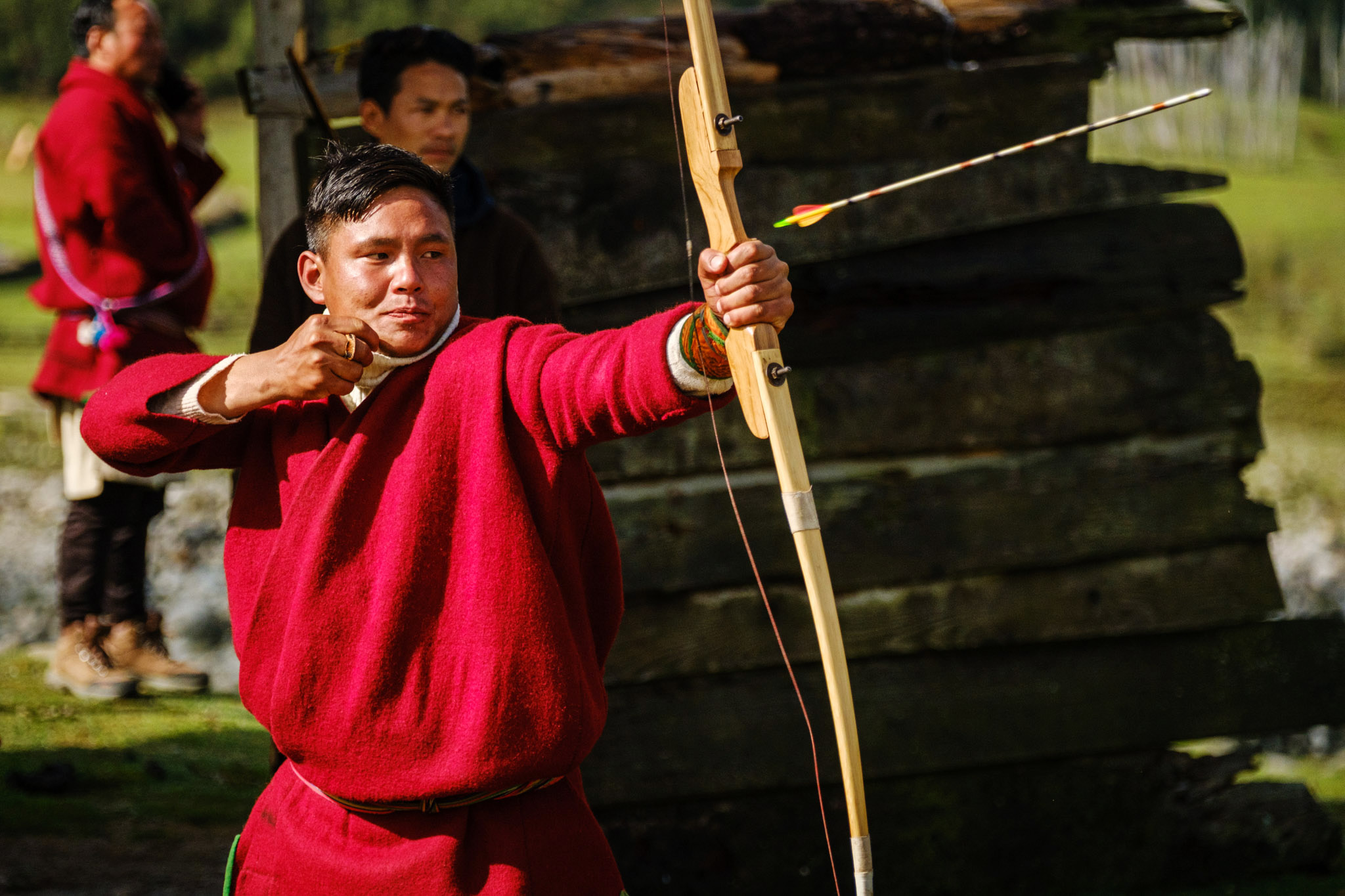
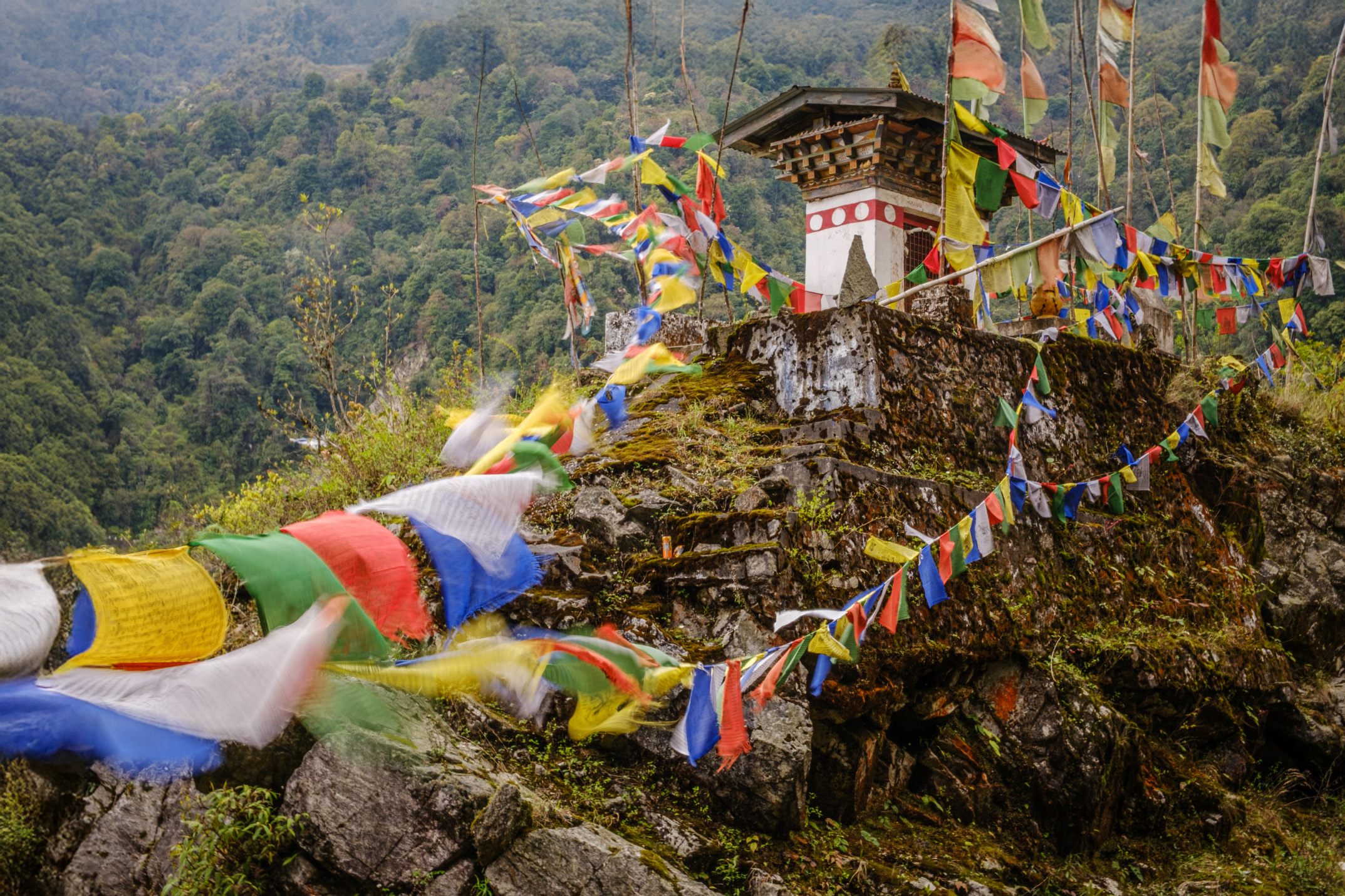
From the majestic Himalayan peaks piercing the sky to the serene valleys dotted with monasteries and streams of fluttering prayer flags, Bhutan is a photographer’s dream come true. In Bhutan, natural beauty, relatively untouched by the tides of modernisation, will leave you moved and inspired. Every frame you take will unveil the story of Bhutan’s deep-rooted spirituality and reverence for its heritage.
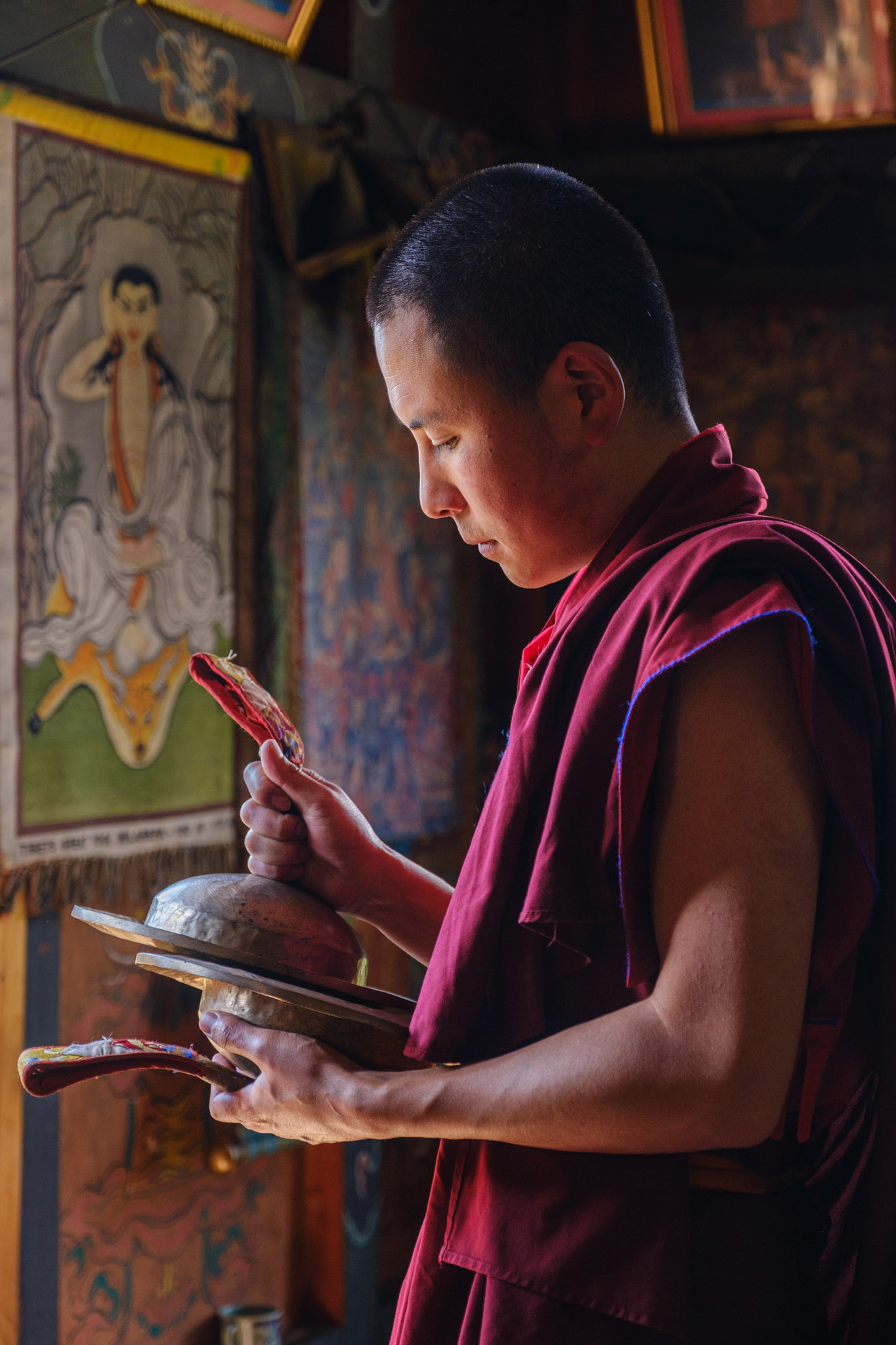

We will visit the iconic dzongs of Bhutan, living symbols of the nation’s rich Buddhist heritage. These fortress-like monasteries, adorned with intricate carvings and vibrant paintings, will not only delight photographers, but present windows into Bhutan’s Buddhist traditions. Step inside these sacred structures, breathe in the aura of spirituality, and capture the moments of devotion and reverence that unfold before your lens.


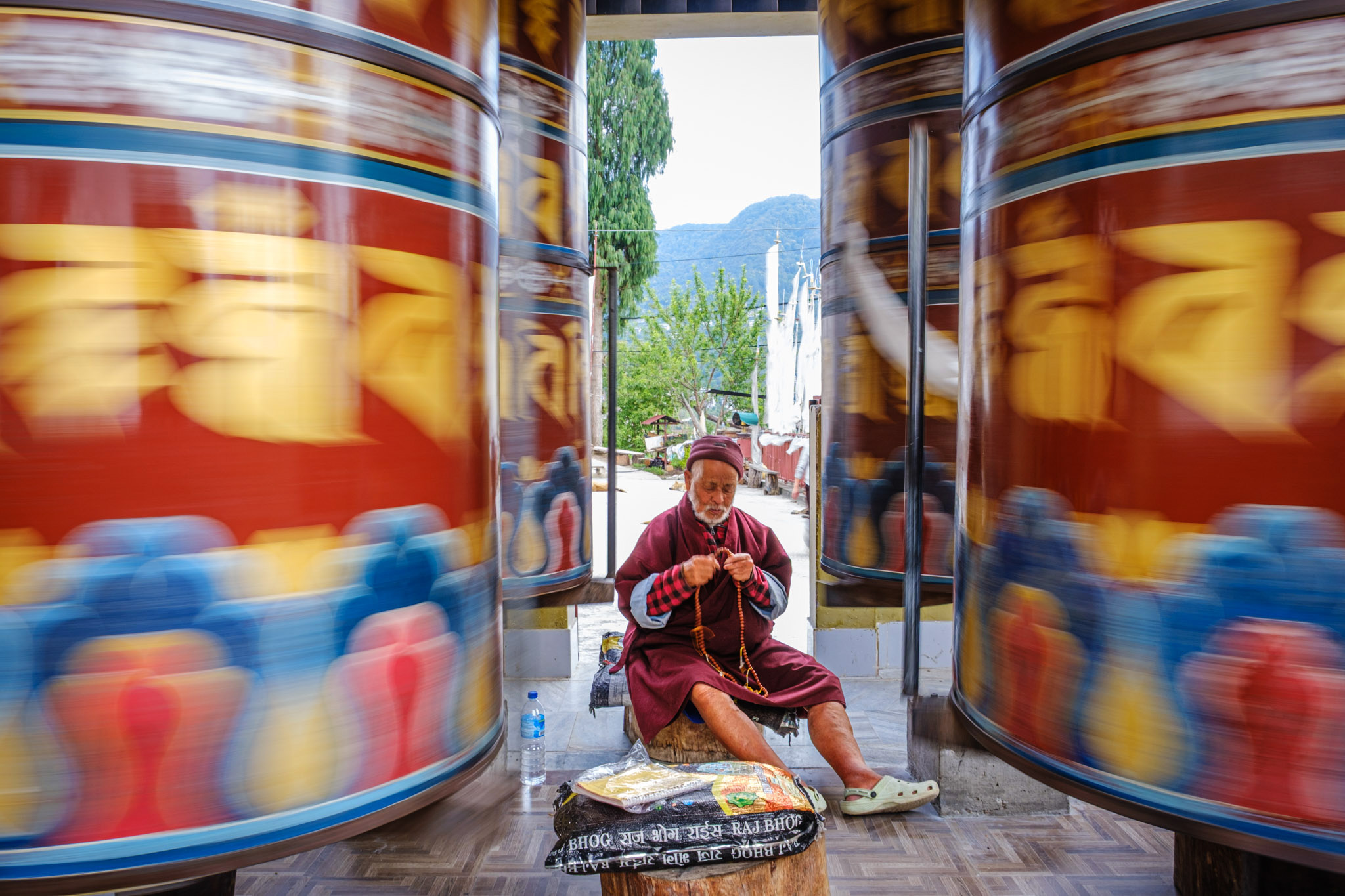
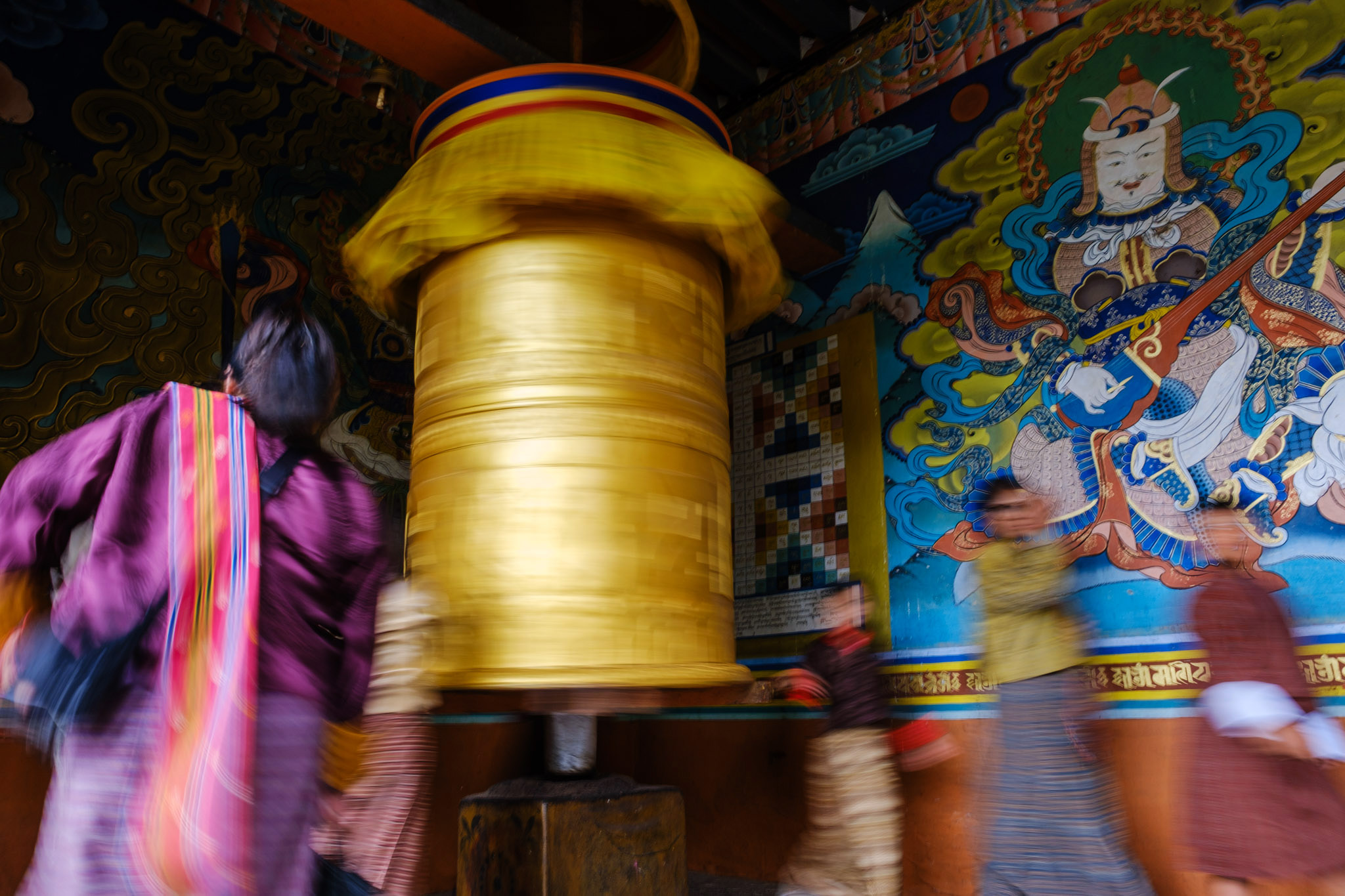
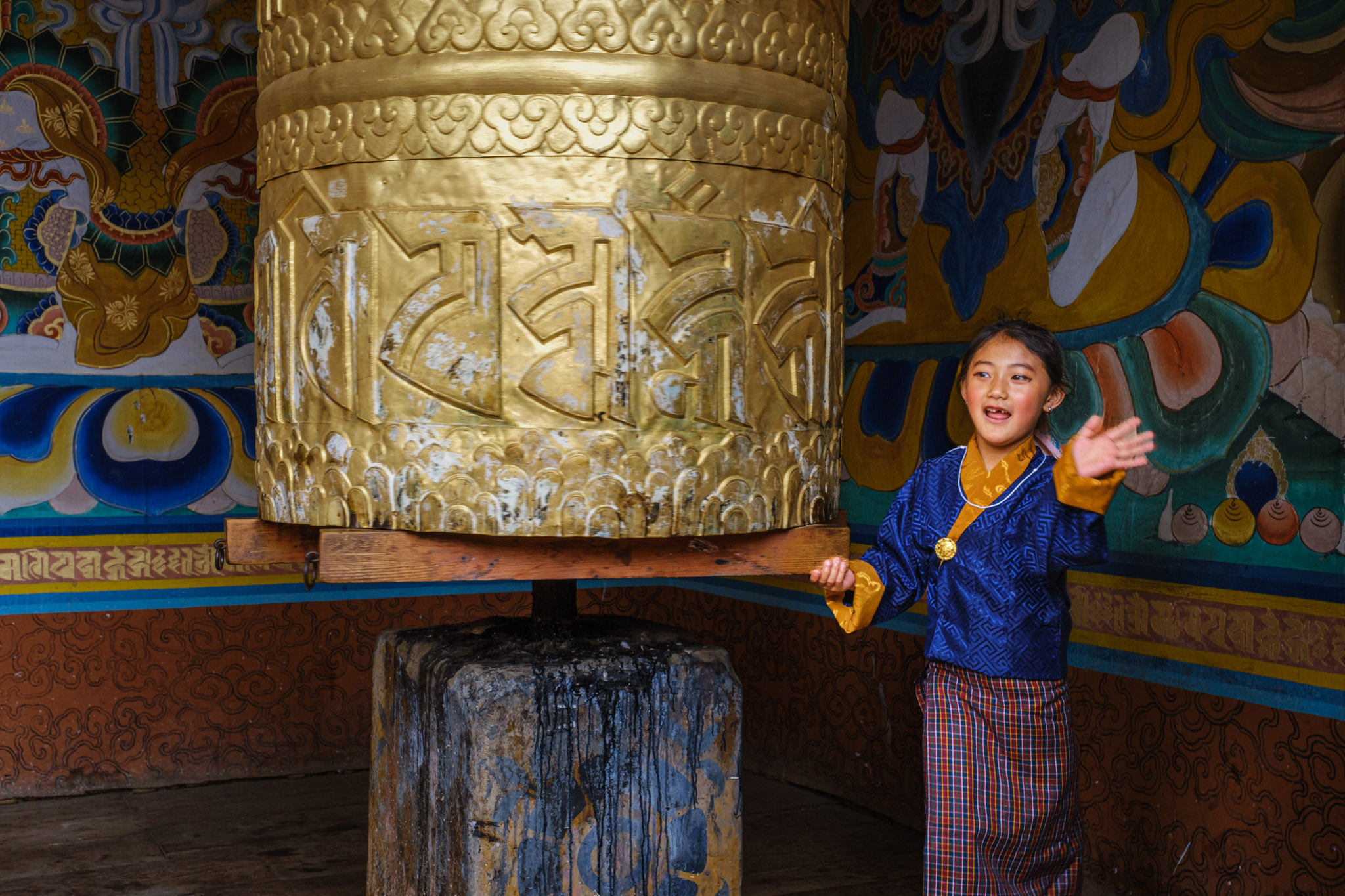
Dzongs and temples give us a glimpse of daily monastic life. We will capture the essence of devotion as butter lamps flicker and prayer wheels spin. Within these moments, Bhutan’s ancient spiritual wisdom resonates, inviting you to capture the practices and activities that have withstood the test of time.

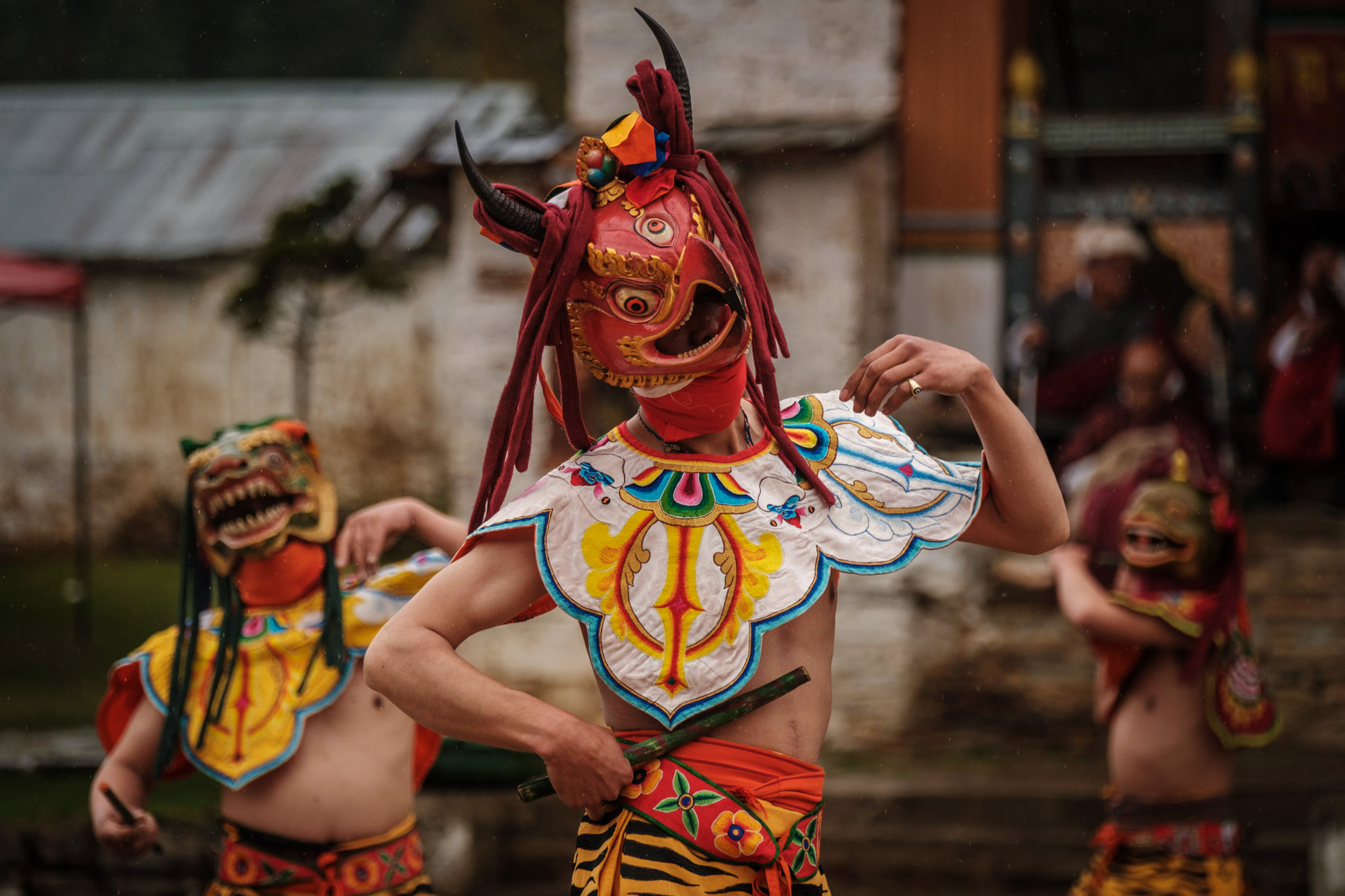
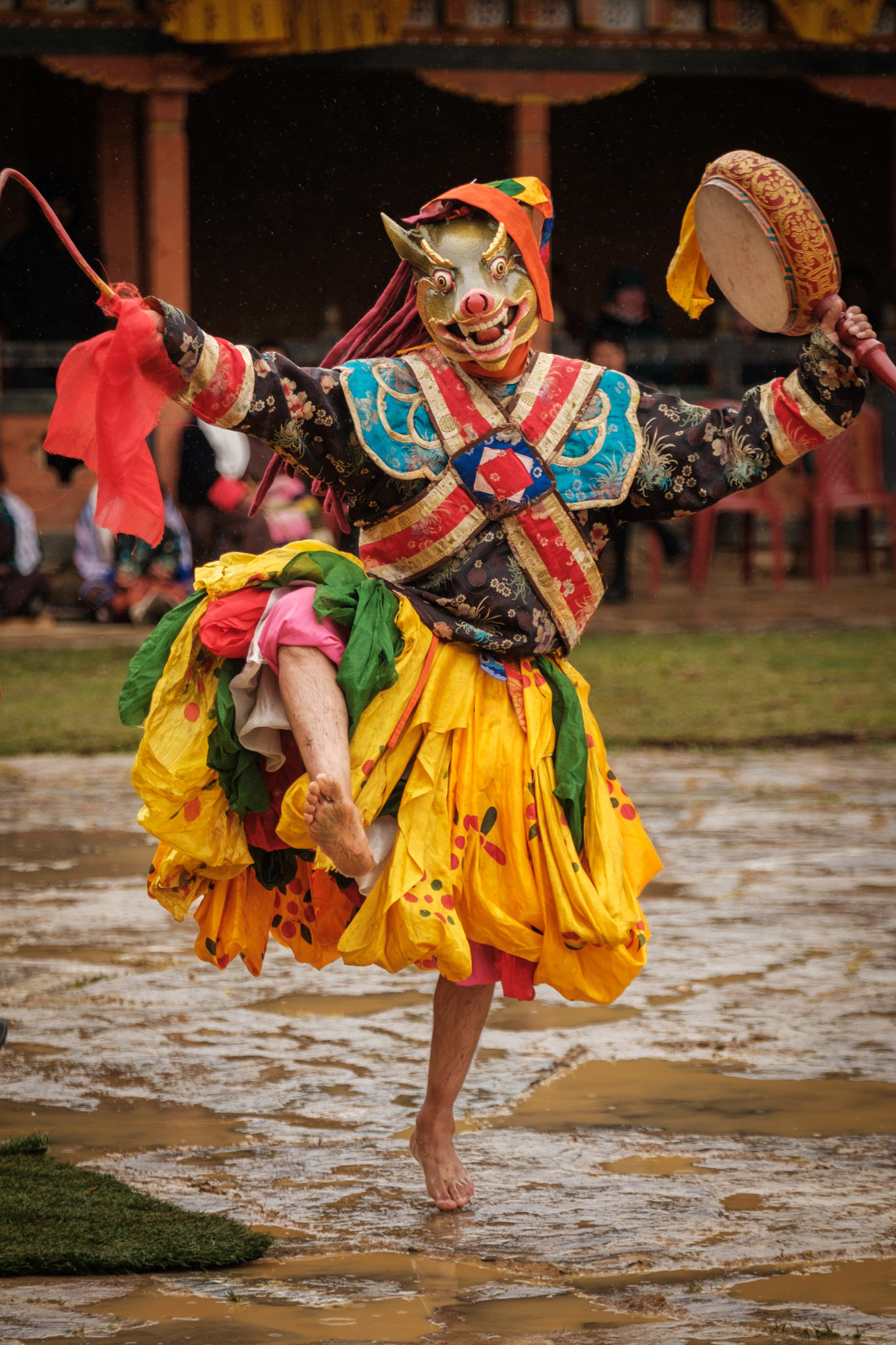
A highlight of this tour is attending the Tamshing Phala choepa — a lively festival featuring traditional masked dances. We will have the opportunity to go behind the scenes and photograph monks preparing for ceremonial dances as they change costumes and masks. This festival is a mosaic of vibrant dances and masked performances. As the beats of traditional music fill the air and locals don elaborate costumes, you’ll find yourself immersed in an incredible visual symphony of colour, movement and energy.

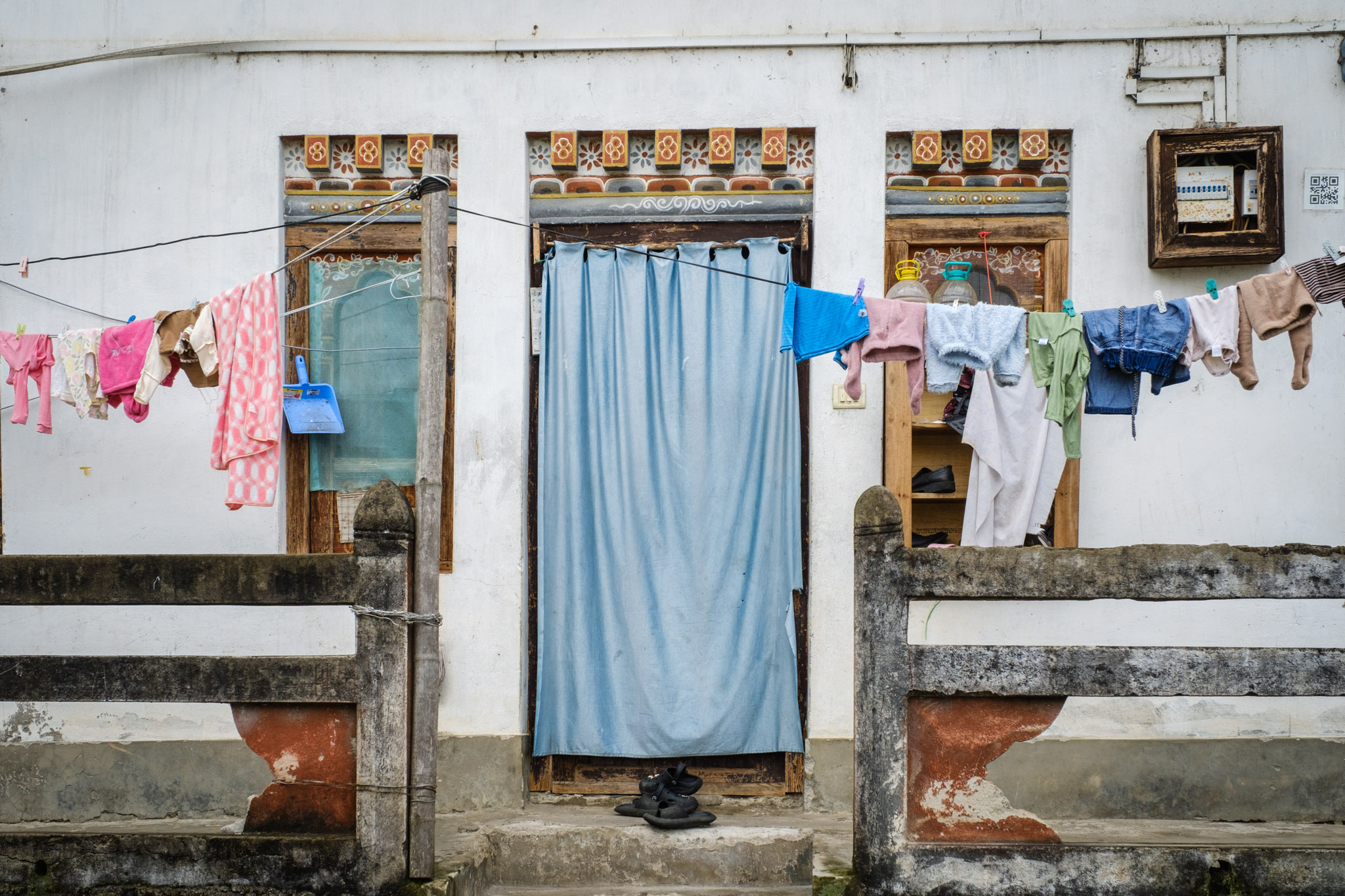
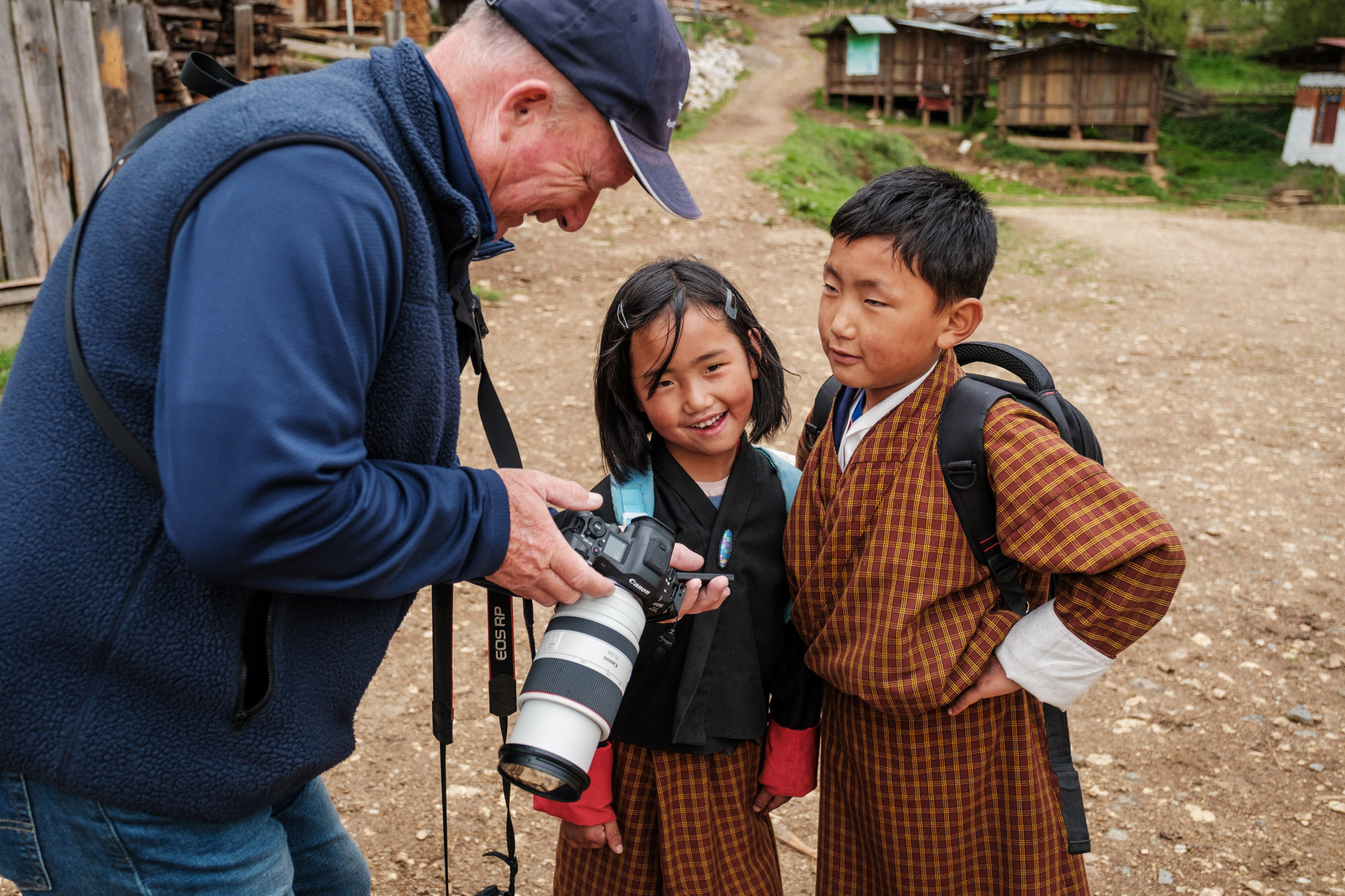
But it’s not just the festivals that make Bhutan special; it’s the people themselves. Known for their warm hospitality and genuine kindness, we will spend time in the villages of Tshangkha and Ogyencholing. These villages are as close as you will come to experiencing traditional village life in Bhutan Our time in the villages offers the opportunity for us to get to to be invited into the close-knit communities and to capture stories of people and livelihoods. You will be touched by the authenticity, generosity and simplicity that is so much a part of traditional Bhutanese life.


Our photography on this tour covers the gamut of styles and genres: documentary, travel, street, life, portraits, landscapes… the aim is to give you the opportunity to discover and photograph this beautiful kingdom and her warm, wonderful people. This photo tour offers a unique experience for those searching for off-the-beaten-path travel and photography experiences, one that is enriches through immersion in a land where the allure of the natural world and the preservation of traditions converge.
Note: This tour begins in and concludes in Paro, with flight connections from/to Bangkok included in the tour price (arrival 23 September, Departure 4 October). You will need to organise your own return flight to Bangkok.

Tour highlights
Day 1: Paro
We take the outward bound flight from Bangkok (included) in the early morning and arrive at Paro where we will be met by our guide, Namgay, at Paro International Airport. In the 17th century, Paro served as a trade route between Bhutan and Tibet and our first experience of Bhutan begins with a visit to Paro Dzong, built in 1646 to defend Bhutan from Tibetan invasion. Now, the dzong houses residences for monks as well as administrative offices. Paro Dzong is beautiful and was the location where some scenes from the film Little Buddha was filmed in 1993.
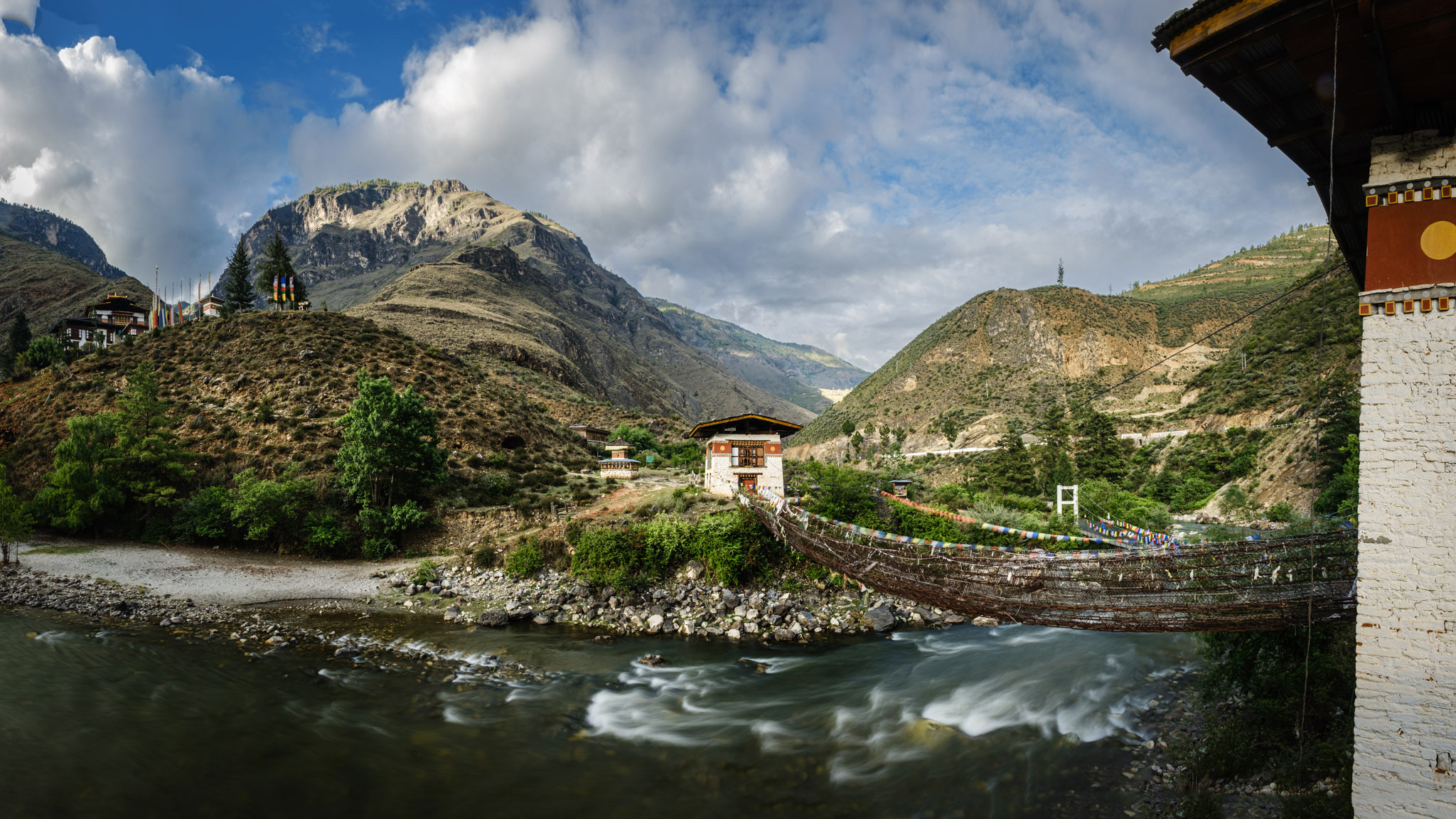
After lunch, we begin our journey to Thimphu, with a photographic stop at Tamcho Lhakang, where prayer-flag festooned swing bridges cross rapids to give access to the temple (lhakang).
Thimphu is the capital of Bhutan, with a population of around 90,000 people. We overnight in Thimphu.


Day 2: Thimphu and Punakha
We kick off a busy morning with a visit to the incredible Great Buddha Dordenma, a giant statue of Shakyamuni Buddha built to celebrate the 60th anniversary of fourth king Jigme Singye Wangchuck.
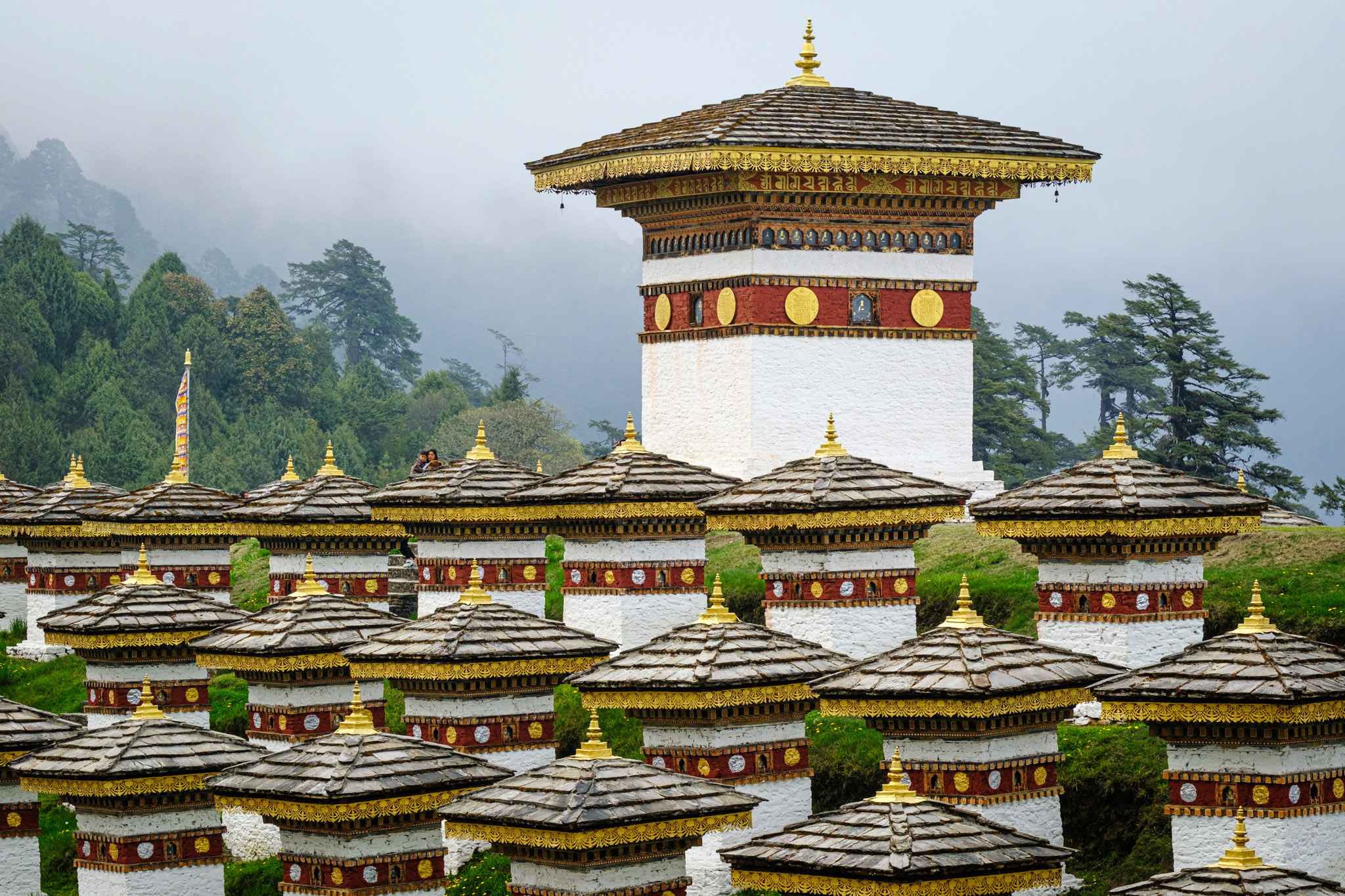
We travel from Thimphu to Punakha, which is located 1200m above sea level. Our journey takes us through the Dochu La mountain pass (3150m), where 108 stupas line the ridge overlooking a misty valley. Framed by gnarled pine trees and at 3150m above sea level, Dochu La will impress and mystify.
We arrive in Punakha in the late afternoon, and overnight here.
Day 3: Punakha
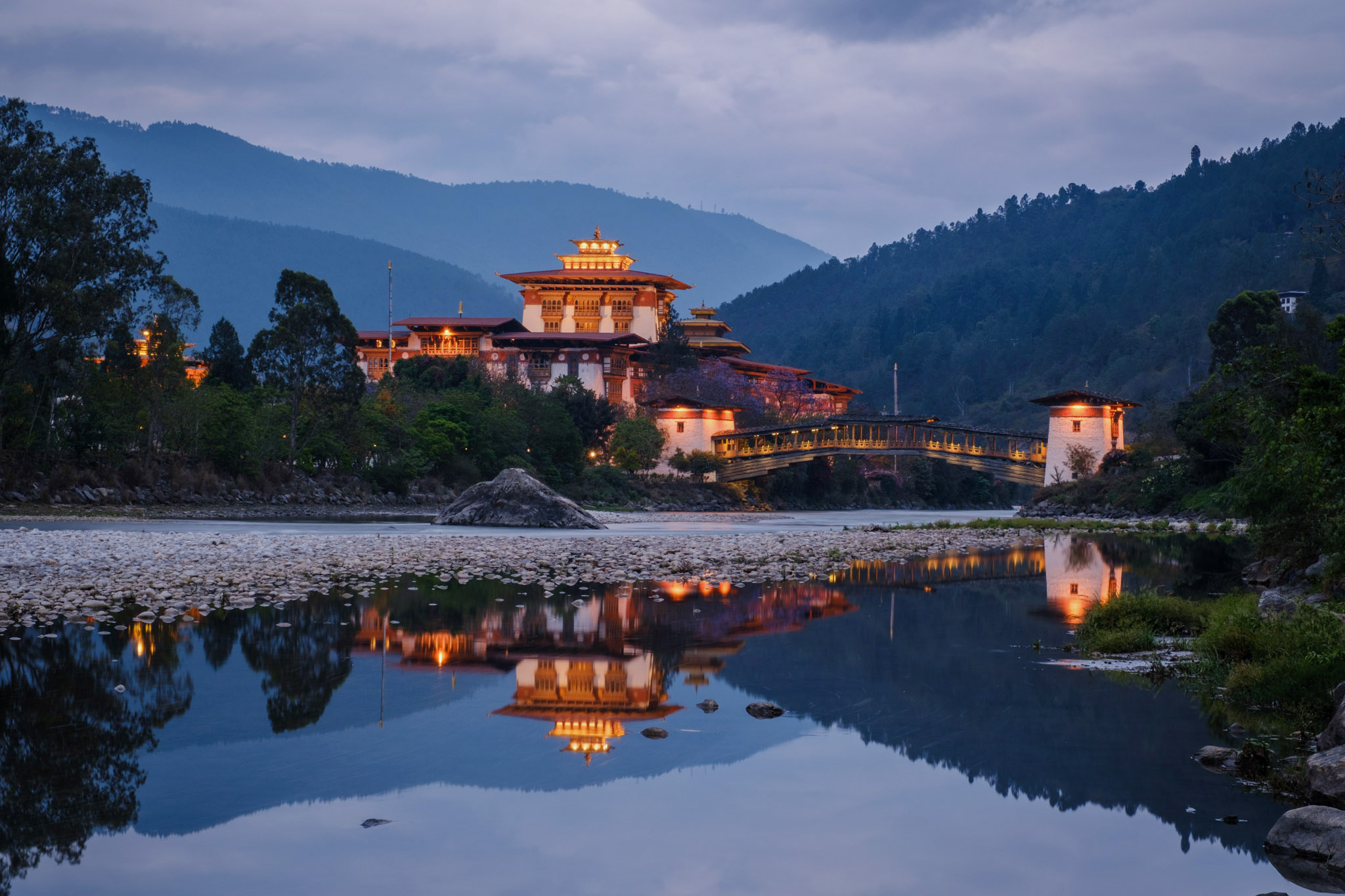
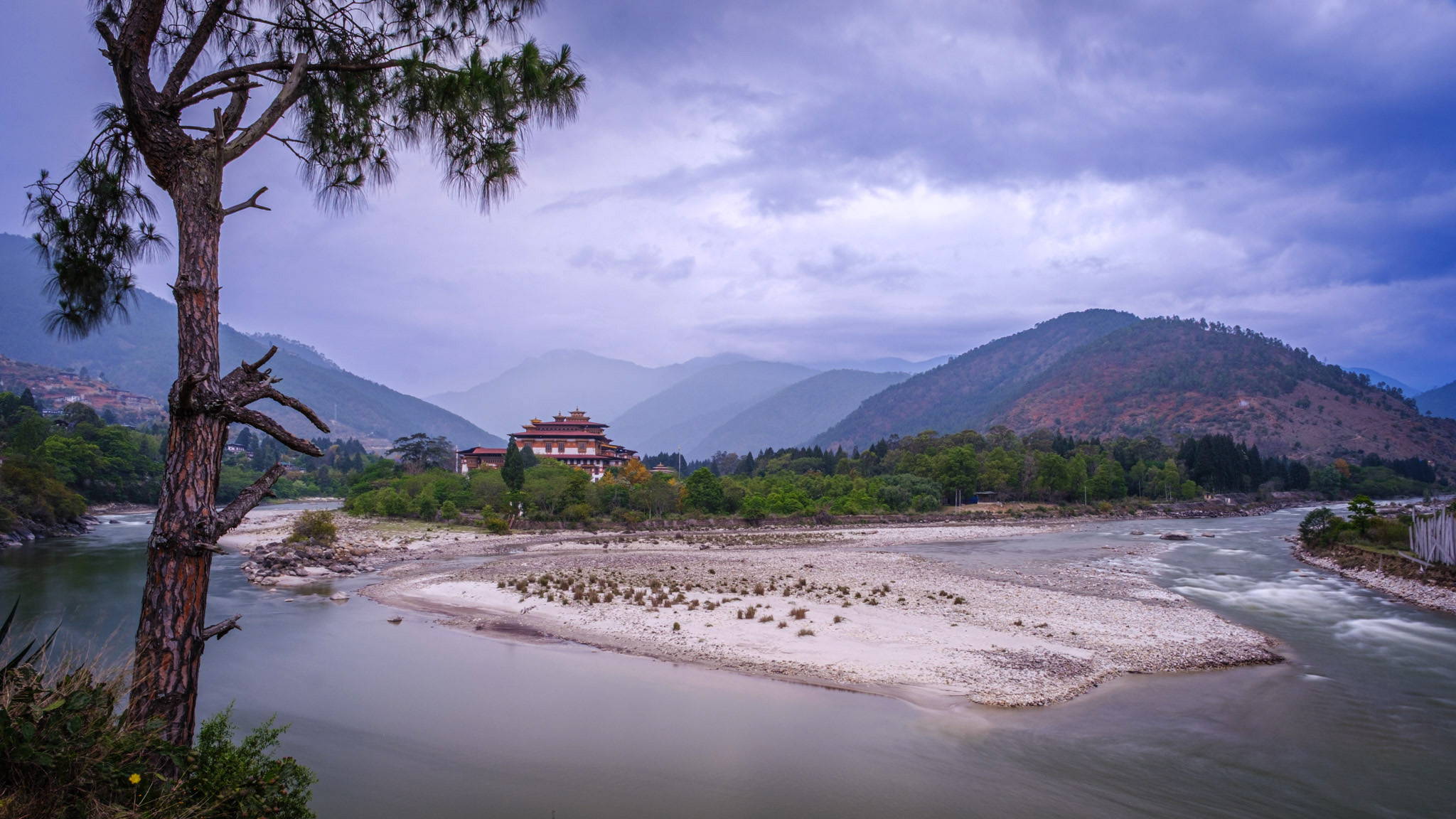
We visit the most beautiful Punakha Dzong in the morning. Built in 1637 at the confluence of the Pho Chu and Mo Chu Rivers, the Dzong is a marvel in traditional Bhutanese architecture, a veritable maze of steps and balconies, lanes and squares, within which monks conduct their daily lives.
We enjoy a local lunch at a farmhouse before driving along the river and photographing farmers working in their fields. We visit the very scenic Dawakha village after lunch and finish the day with a sunset shoot of Punakha Dzong from the banks for the river.
We overnight in Trongsa

Day 4: Punakha to Trongsa
We take the mountain road from Punakha to Trongsa today, with photographic stops en route at Pele La Pass. Trongsa was the most powerful State in Bhutan in the 18th and 19th centuries and features a sprawling, majestic Dzong that commands the valley within which it sits. The drive is around 4 to 5 hours and will take us through a beautiful tapestry of landscapes, rice farms, waterfalls and highland valleys.
A special experience to be savoured and remembered is a visit to the village of Tshangkha, the home of Namgay’s family, a farming village where traditional life prevails. The people of Tshangka make a living through farming and selling cheese, butter and vegetables, and the village has only very recently had access to electricity. Our visit will offer opportunities for beautiful portraits in natural light.
We overnight in Trongsa.

Day 5: Trongsa – Ogyencholing
We begin the day with a visit to Trongsa Dzong. Trongsa Dzong represents an important link with Bhutan’s precious institution of the monarchy, even today.
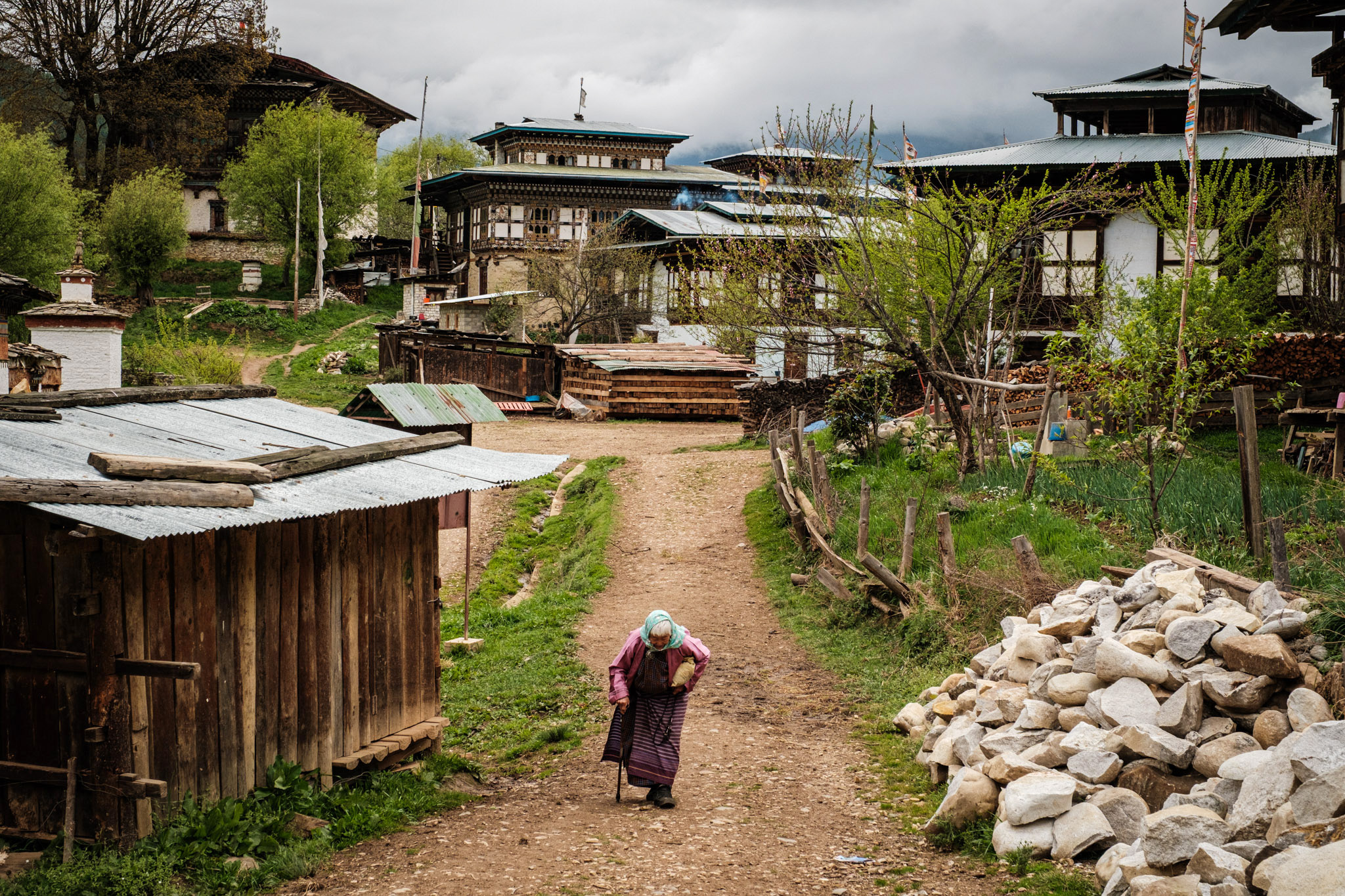
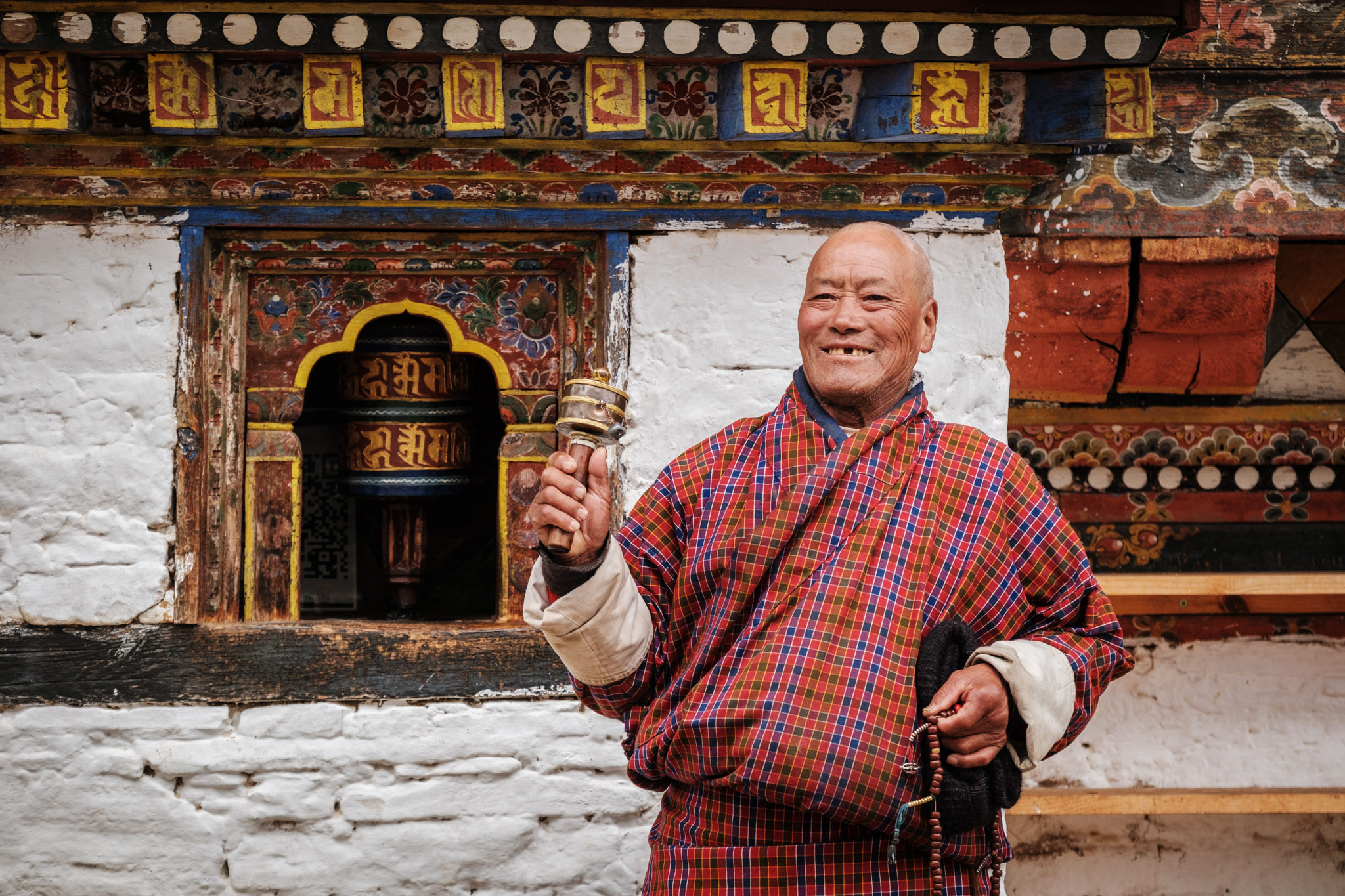
From Trongsa, we drive to Ogrencholing, a charming traditional hilltop village, where we will overnight. Ogyencholing is very much an agricultural village and there will be opportunities to photography village life in all its simplicity and authenticity. Ogyencholing holds a very special place in my heart; it is small, intimate, and for travel photographers who enjoy being close to people and place, it is a dream location for documentary photography and portraiture.

Day 6: Bumthang
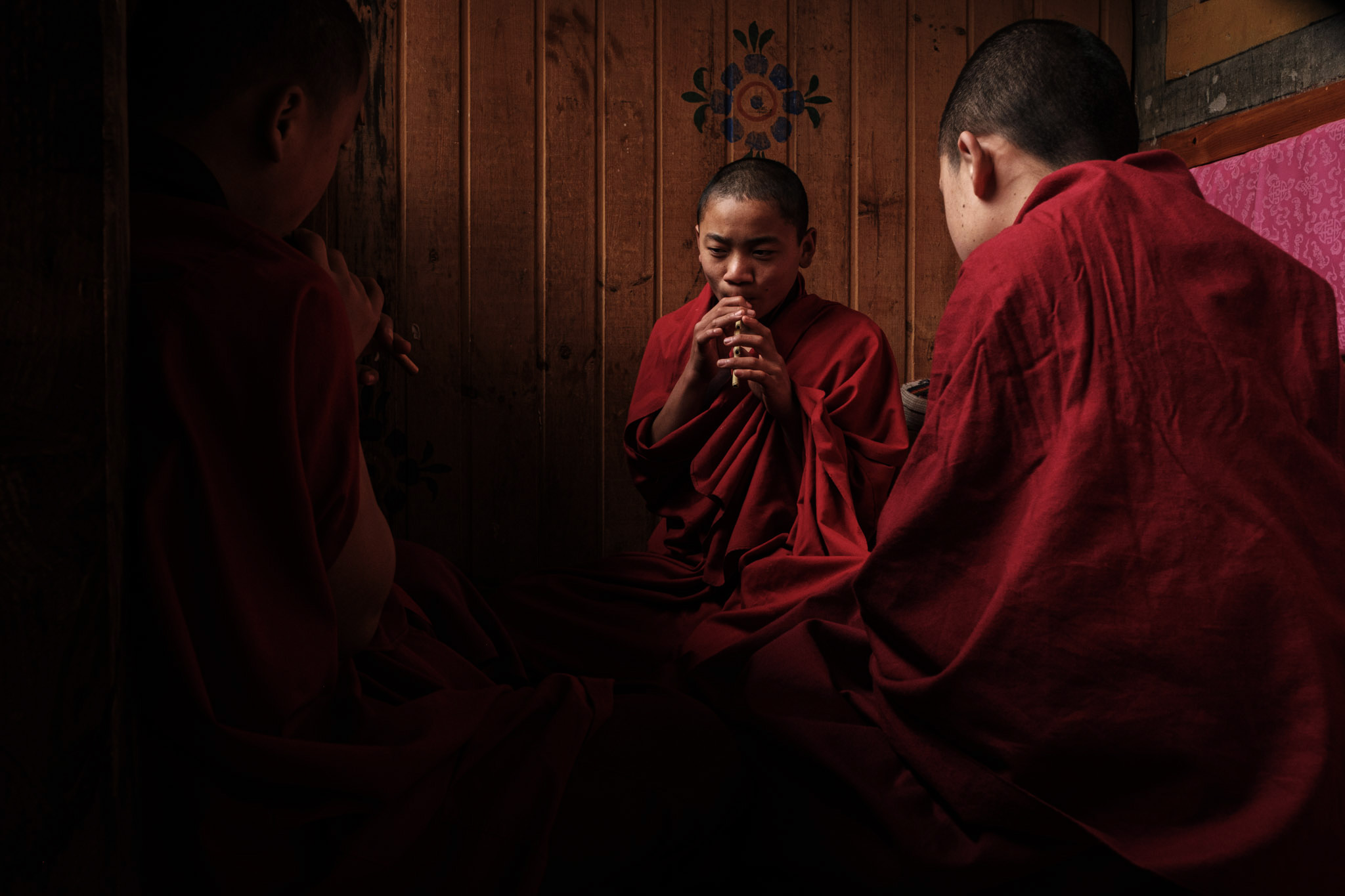
After a morning shoot in Ogyencholing, where we capture the village coming to life at the start of the day, we drive to Tamshing Monastery to attend Tamshing Phala choepa. Today we will photograph masked dancers, and local festival-goers. At this festival, youwewill have the opportunity to walk behind the scenes and photograph monks changing their costumes and wearing masks.
We have the day in Bumthang and can visit the festival again in the afternoon.
We overnight in Bumthang.


Day 7: Bumthang
After an early breakfast, we return to the festival to continue our photography of the celebrations, festivities and ceremonies. The dances will be different from the previous day and we will have extended photography opportunities at the event.
In the afternoon, we visit Jakar Dzong, Jambay Lakhang and Kurji Lakhang, two old, traditional temples.
We overnight in Bumthang.


Day 8: Bumthang to Wangdi
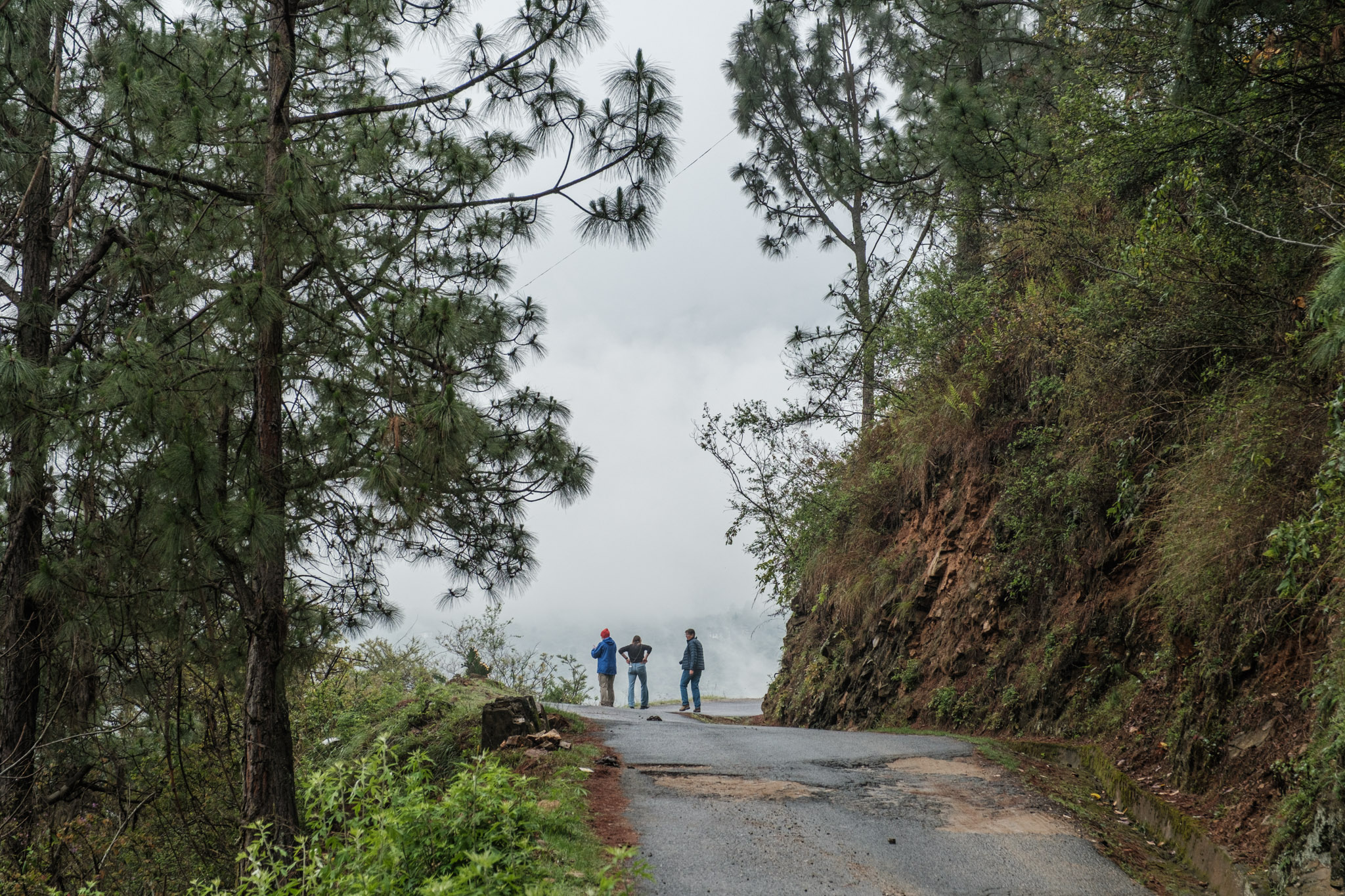
We depart Bumthang for Wangdi via Trongsa, a drive that will take 4 to 5 hours. We cross a number of villages and highland roads that offer incredible views of forests and river valleys, often embraced by low clouds.
We overnight in Wangdi.

Day 9: From Wangdi to Thimphu and Haa
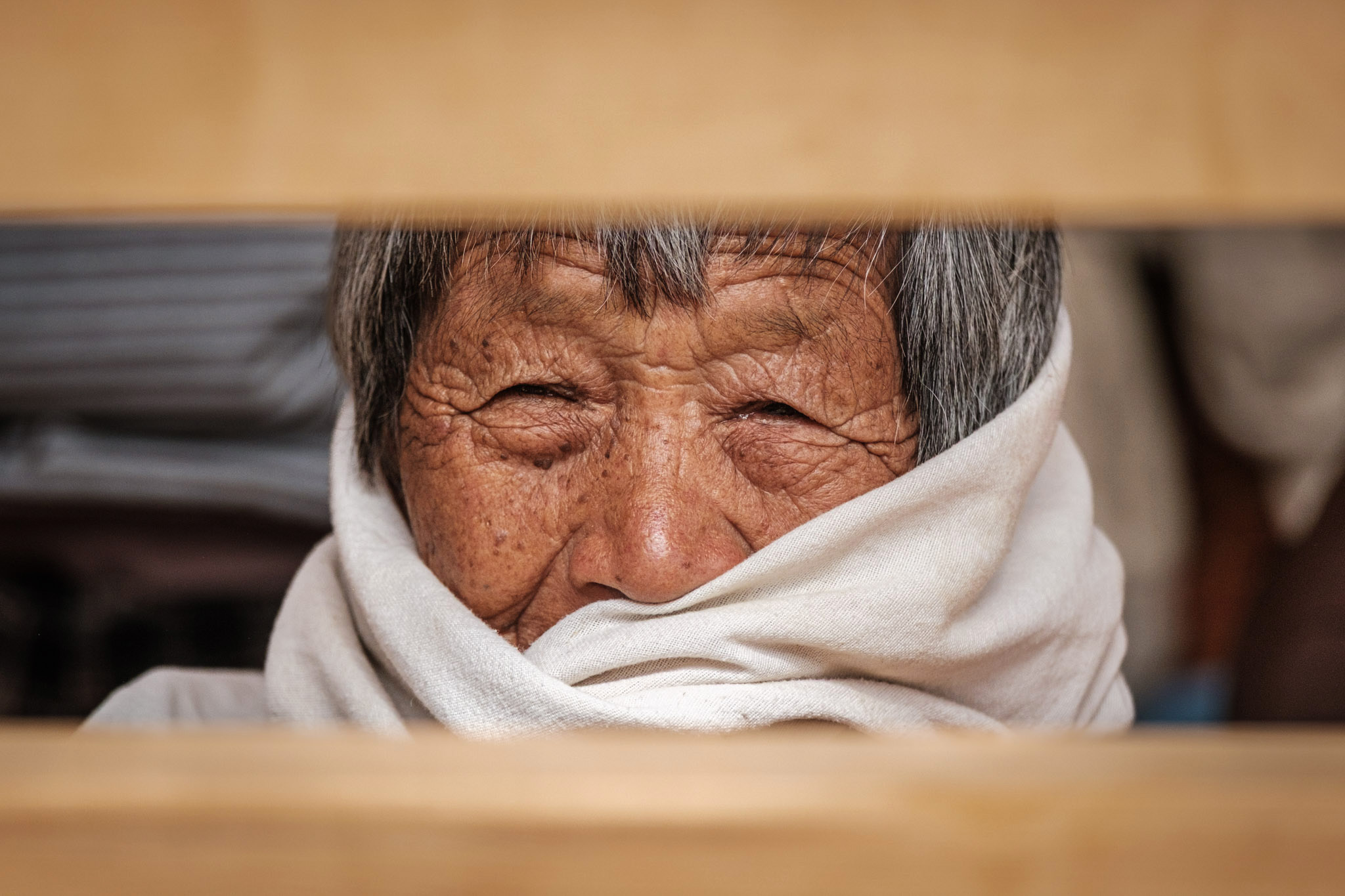
Our journey today takes us westwards back to Thimphu and then onwards to Haa, a beautiful village framed by mountains and cascading streams. Here are traditional waterwheels and mountain homes that evoke scenic alpine charm. We overnight in Haa.

Day 10: Haa to Paro
We explore the Haa Valley in the morning and take the opportunity to capture images of this scenic village and its surrounding landscapes.
After lunch, we return to Paro, stopping at Chele La Pass (3980m) which is Bhutan’s highest pass to photograph the landscape and, if weather permits, even see Jhomolari Mountain (7500m).
We overnight in Paro.
Day 11: Taktshang Monastery (Tiger’s Nest Monastery) in Paro
Taktshang Monastery is an iconic site in Bhutan. While it requires a good level of fitness and mobility to embark on the hike (about 5 hours round trip), it makes for a truly memorable experience for photographers and travellers. This monastery sits 3120m up on a sheer cliff. Legend has it that Guru Rimpoche flew to the site of the monastery while riding on the back of a tigress, in order to subdue the demon Sengay Samdrup.
You can complete part of the hike — to the cafe for lunch (where there is a view across the gorge towards the distant monastery), to the lookout (where the iconic images of the monastery are often taken), or to the monastery itself to visit it (note that photography is forbidden within the temples in the monastery).
We understand that not all of our guests can make this hike, and alternative arrangements will be available for those who want to stay in Paro — perhaps time in town for some souvenir shopping or photography of local landscapes from great viewpoints.
Whichever way you choose, we end the day with a relaxing hot stone bath at a local farmhouse, where you can soak in a stone bath infused with aromatic herbs.
We overnight in Paro.


Day 11: Departure
We wrap up our time in Bhutan and are transferred to the airport in Paro, for our flight to Bangkok (included). The Bhutanese don’t have a word for goodbye; instead, they say “lok jay gay” which means “see you again”, in the hopes that you will return once more to this beautiful land of the thunder dragon.


Tour Inclusions
- 11 nights accommodation (single occupancy for most nights, except for one night in Tshangkha where our accommodation will be shared occupancy in a traditional farmhouse).
- Breakfast, lunch and dinner during the course of the tour (Lunch and Dinner Day 1, BLD Days 2-10, Breakfast Day 11).
- Return airfares Bangkok – Paro (flying Drukair: Royal Bhutan Airlines, departing 23 September 2028, returning 4 October 2028).
- Bhutan entry Visa.
- Arrival and departure transfers (Days 1 and 12 of the tour).
- Land transport in a mini bus during the course of the tour (as per itinerary).
- Photographic and cultural mentoring and guidance during the course of the tour.
Tour Exclusions
- Return flights to Bangkok. As our flight to Paro departs early in the morning of 23 September 2028, we recommend that you arrive in Bangkok on the 22 September and reserve a night in the airport hotel so that you can catch the morning flight from Bangkok to Paro. Our flight from Paro to Bangkok is in the afternoon of the 4 October, so we recommend that you book a late flight from Bangkok, or reserve a room in the airport hotel on the 4 October and fly out the next day.
- Comprehensive travel insurance (this is required as a condition of your joining this tour).
- Photographic equipment and insurance for equipment.
- Alcoholic drinks.
- Personal expenses including laundry, medication, personal shopping and gratuities.
- Any transport and fees outside the scope of the itinerary.
- Gratuities for our driver, guide and assistants during the tour.
Tour price
USD$8499 inclusive of single occupancy. If you are traveling with a spouse or life-partner who is also a participating photographer on this tour, and would like to share a room with them, a double occupancy price of USD$7999 per person is available.
A note on festivals
While we time our photography tours for festivals in Bhutan, there is always a small chance that the festival dates may get changed within a few weeks of the actual festival. If a festival date is changed, we will always have a Plan B.
Reserve your place
A deposit of USD$1500 will secure your place on this tour. The balance is payable by 23 July 2028. Note that deposits are non-refundable unless the tour is cancelled by its organisers (Venture Photography).
For details of the Terms and Conditions of our tours, including cancellation charges, please read our Photography Tours Terms and Conditions.
To join this tour or contact us with your questions, please use the form below or email seng [at] venturephotography.com.au or telephone +61 417 604 614.